Professional Counter Skin Scanners: Dermalogica, Clinique, Estée Lauder
In the competitive world of skincare, brands are constantly seeking innovative ways to engage customers and provide personalized experiences. Professional counter skin scanners have emerged as powerful tools that bridge the gap between technology and beauty. Devices such as the Dermalogica skin scanner, Clinique skin scanner, and Estée Lauder skin scanner are now common fixtures in retail stores and spas. These scanners analyze skin conditions in real time, offering detailed insights that help customers choose the right products. In this article, we will delve into the world of professional counter skin scanners, exploring the offerings from top brands and their impact on skincare consultations.
What Are Professional Counter Scanners?
Professional counter scanners are advanced diagnostic devices used by skincare professionals in retail settings. They typically combine high-resolution cameras, specialized lighting, and proprietary software to assess various skin parameters such as hydration, oiliness, pigmentation, pore size, and fine lines. Unlike home-use gadgets, these scanners are designed for in-depth analysis and are operated by trained staff. The data collected helps in creating customized skincare routines and product recommendations. Brands like Dermalogica, Clinique, and Estée Lauder have developed their own versions, integrating them into their sales processes to enhance customer trust and loyalty.
Top Brands in Professional Skin Scanning
Several leading skincare brands have invested in proprietary scanning technology. Let's explore the most notable ones:
- Dermalogica – Known as the Face Mapping® tool, it uses a magnifying lamp and skin analysis system to identify skin concerns. It is often used in conjunction with Dermalogica's skin treatment products.
- Clinique – Clinique's Clinique Smart™ skin analysis device measures moisture levels and recommends appropriate moisturizers from their 3-Step System.
- Estée Lauder – The Estée Lauder Skin Diagnostic Scanner is a sophisticated tool that evaluates skin's moisture, texture, and radiance, linking results to their advanced night repair and rejuvenation products.
- Caudalie – Caudalie's Vinoperfect Skin Scanner focuses on brightening and even skin tone, often used to promote their Vinoperfect line.
- Kiehl's – Kiehl's Skin Analyzer measures hydration and oil levels, helping customers select the right moisturizer from their extensive range.
- Elemis – Elemis uses the Pro-Collagen Hydra-Glow Scanner to assess skin's hydration and plumpness, linking to their popular Pro-Collagen range.
- Obagi – Obagi's Obagi360 Skin Analysis tool evaluates pigmentation, sun damage, and overall skin health, often used in medical and professional settings.
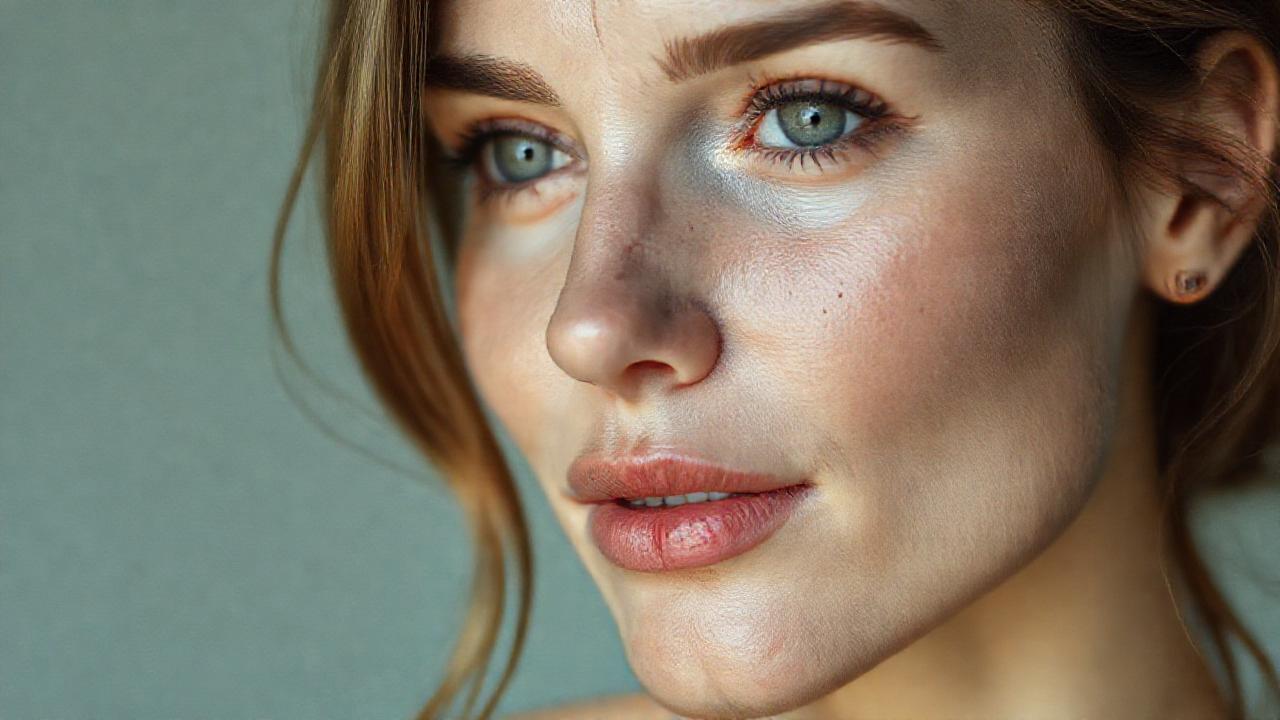
Key Benefits of Professional Skin Scanners: These devices enhance customer engagement by providing objective data, build trust through personalized recommendations, and increase product sales by demonstrating visible results. They also allow for consistent consultations across different staff members and stores.
How These Scanners Enhance the Customer Experience
When a customer sits down for a skin analysis, they are not just receiving a product recommendation – they are experiencing a blend of science and service. The Estée Lauder skin scanner creates a visual map of skin concerns, which the sales associate can use to explain how Estée Lauder's serums target specific issues. Similarly, the Caudalie skin scanner can show areas of dullness and hyperpigmentation, prompting the use of their brightening products. This personalized approach makes the customer feel valued and understood.
Moreover, these scanners often store previous results, allowing customers to track their progress over time. This is particularly effective for brands like Obagi skin scanner users who may be undergoing treatment regimens. The ability to see measurable improvements reinforces loyalty and encourages repeat purchases.
Technical Aspects to Consider
While professional counter scanners are incredibly useful, they are not without limitations. Factors such as ambient lighting, skin preparation (clean vs. makeup), and user technique can affect accuracy. Brands like Dermalogica and Clinique have rigorous training programs to ensure consistency. Additionally, the Kiehl's skin scanner may require calibration after extended use. It's important for beauty advisors to be aware of these variables and interpret results in context.
Warning: Professional skin scanners should not be used as medical devices. They are designed for educational and retail purposes only. Customers with serious skin conditions should always consult a dermatologist. Brands like Obagi, which often operate in clinical settings, make this distinction clear.
Future Trends in Skin Scanning Technology
As technology evolves, we can expect even more sophisticated features. AI integration, for instance, could allow scanners to predict future skin issues based on current data. We may also see cross-brand compatibility, where a single scanner can analyze skin and recommend products from multiple lines. For now, brands like Elemis skin scanner are leading the way with high-resolution imaging and real-time feedback. The Dermalogica skin scanner and Clinique skin scanner continue to set industry standards with their comprehensive analysis and ease of use.
In conclusion, professional counter skin scanners are invaluable tools that enhance the retail skincare experience. They empower customers with knowledge and trust, while driving sales for brands. Whether you encounter a Dermalogica skin scanner, Clinique skin scanner, or Estée Lauder skin scanner, you can be assured that you are receiving a personalized consultation backed by technology. As the beauty industry continues to innovate, these scanners will undoubtedly become even more integral to the way we purchase and apply skincare.