Dermatologist in Spanish: Translation and Meaning
Understanding medical terminology in different languages is essential for effective healthcare communication. If you need the Spanish word for 'dermatologist', the direct translation is dermatólogo (for a male specialist) or dermatóloga (for a female specialist). This article explores the meaning, usage, and cultural context of this term, helping you navigate skincare conversations in Spanish-speaking environments.
The word 'dermatólogo' derives from the Greek roots 'derma' (skin) and 'logos' (study), like its English counterpart. In Spanish-speaking medical contexts, a dermatólogo is a physician specialized in skin, hair, nails, and mucous membranes. Knowing the Spanish word for 'dermatologist' facilitates access to quality healthcare abroad, understanding medical documents, or communicating with Spanish speakers about skin concerns.
Whether traveling to Spain, Mexico, Argentina, or any other Spanish-speaking country, confidently asking for a skin specialist can make a big difference. This guide covers pronunciation, common phrases, how to find a dermatology specialist in these regions, and cultural nuances.
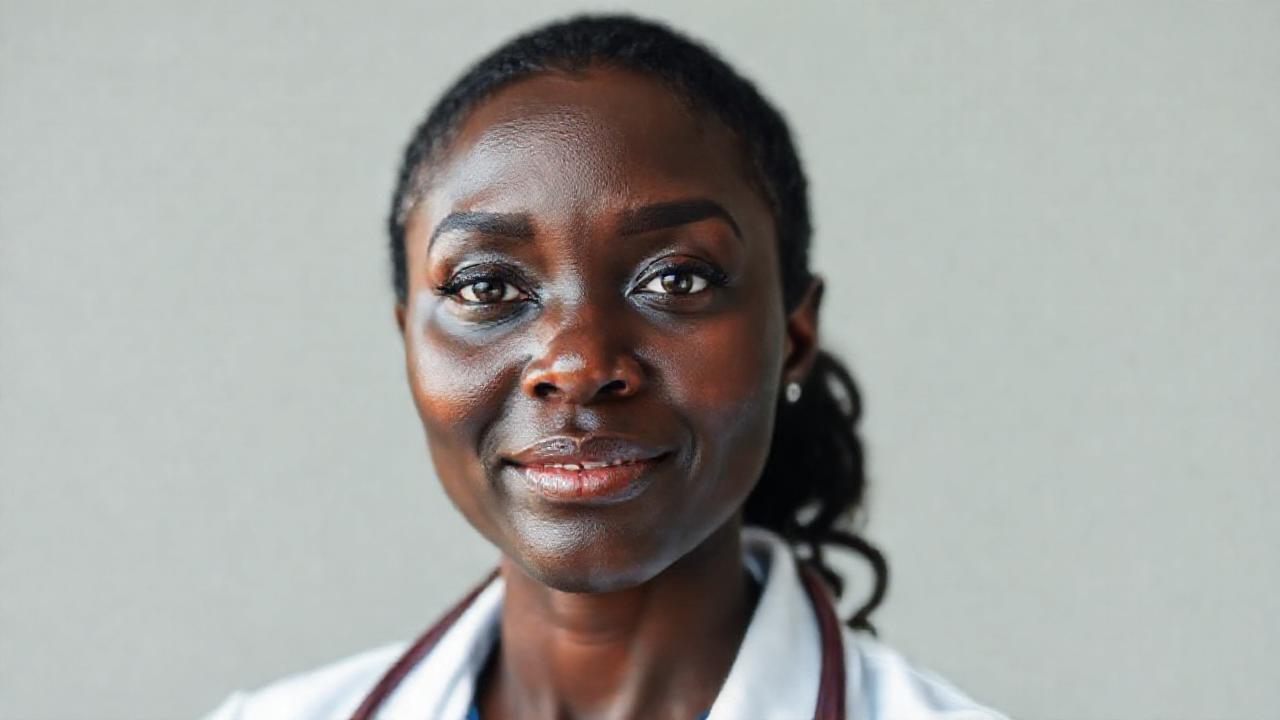
The Meaning of 'Dermatólogo'
In Spanish, the term 'dermatólogo' (or 'dermatóloga') refers exclusively to a medical doctor who has completed specialized training in dermatology. It is important to note that not all skincare practitioners are dermatólogos; for instance, esteticistas (aestheticians) or cosmetólogos may offer skincare treatments but are not medical doctors. When seeking medical advice for conditions like acne, eczema, psoriasis, or skin cancer, you should look for a dermatólogo. [1]
The plural forms are dermatólogos (masculine plural or mixed group) and dermatólogas (all female). In Latin American countries, the term remains consistent, though regional variations may exist in colloquial speech. For example, in some parts of the Caribbean, you might hear the word 'dermatólogo' used less formally, but its meaning remains unchanged.
Quick Tip: If you need to say 'I need to see a dermatologist' in Spanish, the phrase is 'Necesito ver a un dermatólogo' (for a male doctor) or 'Necesito ver a una dermatóloga' (for a female doctor).
Pronunciation and Spelling
Pronouncing 'dermatólogo' correctly is essential for clear communication. The word is divided into syllables as der-ma-tó-lo-go. The stress falls on the third syllable: 'tó'. In phonetic transcription, it sounds like /deɾ.maˈto.lo.ɣo/ in standard Spanish. The 'd' is soft, the 'r' is tapped, and the 'g' is pronounced as a soft g (like the 'g' in 'go' but with less friction).
For the feminine form 'dermatóloga', the stress remains on the same syllable: der-ma-tó-lo-ga. The ending changes to 'ga' to indicate female gender. Spelling is straightforward once you remember that Spanish uses the letter 'ó' with an accent to indicate the stressed syllable. Common misspellings like 'dermatologo' without the accent can lead to confusion, so always include the accent for correct written communication.
When speaking, you might also encounter the abbreviation 'derma' in informal contexts, but 'dermatólogo' is the formal term. Now that you know the Spanish term for 'dermatologist', you can confidently book an appointment or describe your skin condition.
Finding a Skin Specialist in Spanish-Speaking Countries
Searching for a skin specialist in Spanish requires specific vocabulary. Use phrases like 'busco un dermatólogo' (I'm looking for a dermatologist) or 'necesito una consulta con un dermatólogo' (I need an appointment with a dermatologist). Many online directories in Spanish allow you to filter by specialty. For instance, websites like Doctoralia or Top Doctors have Spanish-language interfaces that list dermatólogos along with patient reviews and insurance information.
In public healthcare systems, such as Spain's Seguridad Social or Mexico's IMSS, you typically need a referral from a primary care physician (médico de cabecera) to see a dermatólogo. In private settings, you can often book directly. When calling for an appointment, say: 'Quisiera agendar una cita con un dermatólogo' (I would like to schedule an appointment with a dermatologist).
Warning: Beware of clinics that advertise 'dermatología estética' (aesthetic dermatology) without a medical license. Always verify that the practitioner is a certified dermatólogo (medical doctor) rather than a cosmetic technician.
Common Skin Conditions Expressed in Spanish
When visiting a dermatologist in Spanish, it helps to know the names of common skin conditions. Here is a list of terms you might use:
- Acné – Acne
- Eczema – Eczema (also 'dermatitis atópica')
- Psoriasis – Psoriasis
- Cáncer de piel – Skin cancer
- Manchas – Spots or hyperpigmentation
- Arrugas – Wrinkles
Knowing these words will help you describe your symptoms to a dermatólogo. For example, 'Tengo acné severo' (I have severe acne) or 'Me preocupa un lunar' (I'm worried about a mole).
Cultural Aspects of Dermatology in Spanish-Speaking Regions
Dermatology practices can vary across cultures. In many Spanish-speaking countries, there is a strong emphasis on skin aesthetics, and dermatólogos often combine medical and cosmetic services. For instance, in Mexico and Argentina, laser treatments and chemical peels are commonly offered alongside medical consultations. However, it is crucial to distinguish between a medical dermatologist and an aesthetician. Always ask: '¿Es usted un dermatólogo certificado?' (Are you a certified dermatologist?) [1]
Another cultural nuance is the use of natural remedies. In some regions, patients may try home remedies (remedios caseros) before seeing a specialist. While some remedies are harmless, others can exacerbate conditions. A professional dermatólogo can provide evidence-based treatments. Therefore, if you hear advice about using aloe vera or herbal masks, it's best to consult a dermatologist first.
How to Prepare for a Consultation with a Spanish-Speaking Dermatologist
Preparing for a dermatology appointment in Spanish involves gathering your medical history and knowing how to express your concerns. Bring a list of medications (medicamentos), allergies (alergias), and previous treatments. You might say: 'Tengo alergia al...' (I am allergic to...). Practice key phrases such as '¿Qué tratamiento recomienda?' (What treatment do you recommend?) and '¿Cuáles son los efectos secundarios?' (What are the side effects?).
If you don't speak Spanish fluently, consider bringing a translator or using a translation app. Many dermatologists in tourist-friendly areas speak English, but it's always safer to learn a few basic phrases. Remember: the Spanish term for 'dermatologist' is your starting point for effective communication.
Online Resources for Finding Skin Doctors in Spanish
The internet offers numerous resources to find a dermatólogo in Spanish. Websites like Doctoralia.es (Spain) or Doctoralia.com.mx (Mexico) list specialists with reviews, office hours, and contact information. You can also use the search phrase 'dermatólogo cerca de mí' (dermatologist near me) on Google Maps to find nearby clinics.
Social media platforms like Instagram and Facebook often feature dermatólogos who share educational content. However, be cautious of unverified advice. Always cross-check information with a certified professional. When in doubt, the safest path is to schedule an in-person consultation.
Pro Tip: When searching online, use the exact keyword 'dermatologist in Spanish' as a phrase to find resources that bridge English and Spanish medical terminology. This can help you find bilingual doctors or clinics.
Conclusion
Mastering the term 'dermatologist in Spanish' is more than a language lesson—it's a tool for better health outcomes. Whether you are a traveler, an expatriate, or a Spanish learner, knowing how to say dermatólogo and use it in context empowers you to take control of your skin health. From pronunciation to cultural insights, this guide has covered everything you need to communicate effectively with skin specialists in Spanish-speaking environments.
Remember that dermatology is a field with best practices that transcend language barriers. By using the correct terminology and understanding local healthcare systems, you can ensure you receive the highest standard of care. So next time you search for 'dermatologist in Spanish', you'll know exactly what to look for and how to proceed.
We hope this article has been informative and practical. If you have further questions about dermatological terms in Spanish, feel free to explore our other resources. Your skin deserves the best care, no matter what language you speak.
References
- PMID: 27386049 (METHODS) : “Two private dermatology practices.”