Erythematotelangiectatic Rosacea: Flushing and Visible Veins
Erythematotelangiectatic rosacea (ETR), also known as rosacea type 1 or vascular rosacea, is the most common subtype of rosacea. It is characterized by persistent facial redness, flushing episodes, and the appearance of visible blood vessels (telangiectasias). This condition primarily affects the central face, including the cheeks, nose, chin, and forehead. Understanding ETR is essential for effective management and improving quality of life.
Unlike other forms of rosacea that involve papules and pustules, this type focuses on vascular changes. The exact cause is multifactorial, involving genetic predisposition, abnormal blood vessel reactivity, and environmental triggers. Early recognition and treatment can prevent progression and reduce symptoms.
What Is Type 1 Rosacea (ETR)?
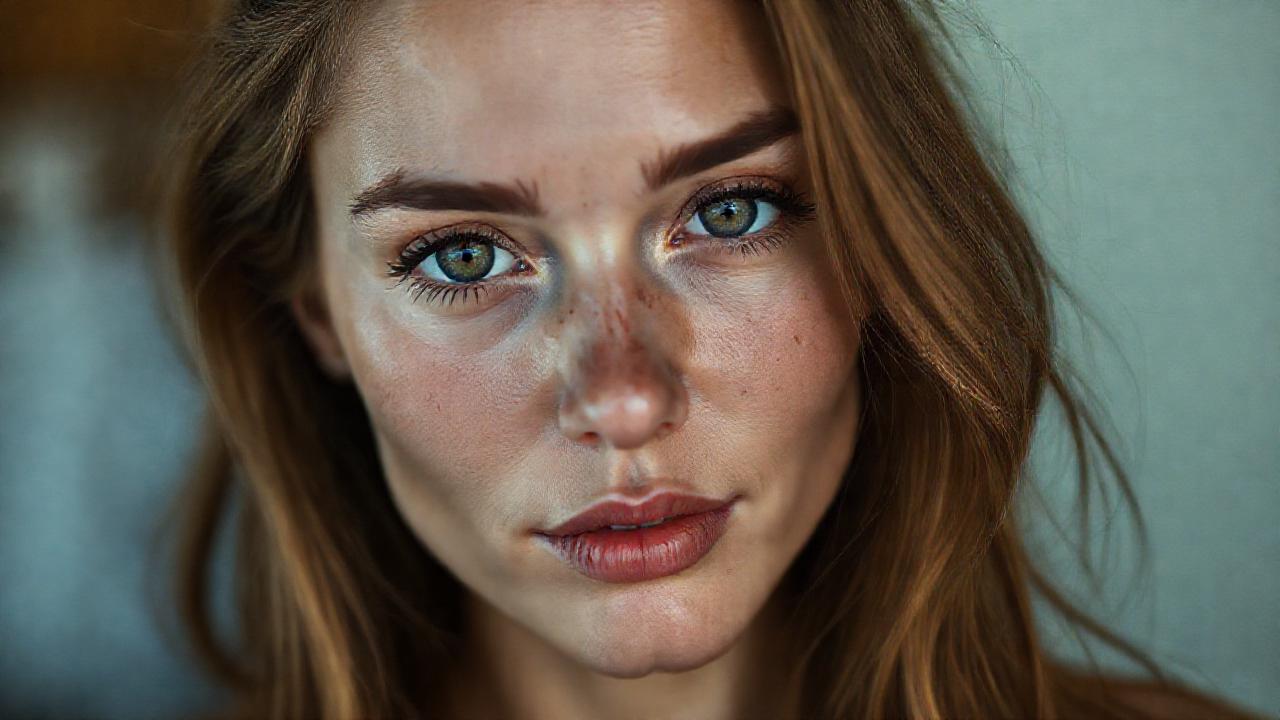
ETR is a chronic skin condition that results from the dilation of small blood vessels near the skin's surface. This leads to a persistent flush or blush that may come and go initially but can become permanent over time. The term 'telangiectatic' refers to the small, dilated blood vessels that become visible as red or purple lines on the skin.
Type 1 rosacea is often mistaken for a simple blush or sunburn, but its chronic nature distinguishes it. The condition affects millions worldwide, with fair-skinned individuals being more susceptible. While it is not life-threatening, the cosmetic concerns can cause significant emotional distress.
The pathophysiology involves an overactive immune system and abnormal neurovascular responses. Triggers such as heat, spicy foods, alcohol, and stress can cause sudden flushing. Over time, the blood vessels lose elasticity, leading to persistent redness and visible veins.
Common Symptoms and Signs
The hallmark symptoms of type 1 rosacea include:
- Facial flushing – Sudden episodes of redness, often triggered by heat, exercise, or emotional stress.
- Persistent erythema – Constant redness in the central face that does not resolve.
- Telangiectasias – Visible small blood vessels, especially on the cheeks and nose.
- Stinging or burning sensation – The skin may feel sensitive and irritated.
- Dryness and roughness – The skin barrier is often compromised, leading to flakiness.
These symptoms can worsen over time if triggers are not managed. Unlike acne rosacea, ETR typically lacks papules and pustules, though some individuals may experience a combination.
Causes and Triggers
The exact cause of type 1 rosacea is unknown, but several factors contribute. Genetic predisposition plays a role, as the condition often runs in families. Additionally, an abnormal immune response to Demodex mites or bacteria may trigger inflammation.
Key Triggers: Common triggers include sun exposure, hot or cold weather, wind, spicy foods, alcohol (especially red wine), caffeine, strenuous exercise, stress, and certain skincare products containing harsh ingredients like alcohol or fragrances. Identifying and avoiding personal triggers is crucial for managing rosacea type 1.
Sun exposure is one of the most significant triggers. Ultraviolet radiation damages blood vessels and promotes inflammation. Consistent use of broad-spectrum sunscreen is essential for vascular rosacea management. Other environmental factors like extreme temperatures and wind can exacerbate flushing.
Diagnosis and Medical Evaluation
Diagnosis of type 1 rosacea is primarily clinical, based on the characteristic appearance and history of flushing. A dermatologist will examine the skin and may ask about triggers and family history. In some cases, skin biopsy or tests to rule out other conditions like lupus or contact dermatitis may be performed.
There are no specific laboratory tests for type 1 rosacea. However, the presence of persistent erythema and telangiectasias without other skin lesions strongly suggests ETR. Early diagnosis is important to prevent progression to more severe stages.
Treatment Options for Type 1 Rosacea
While there is no cure for type 1 rosacea, various treatments can reduce symptoms and improve appearance. Treatment plans are tailored to the individual's severity and triggers.
- Topical medications – Prescription creams like brimonidine or oxymetazoline can temporarily reduce redness by constricting blood vessels. However, they do not address telangiectasias.
- Laser and light therapies – Intense pulsed light (IPL) and pulsed dye laser (PDL) are highly effective for treating visible blood vessels and persistent redness. Multiple sessions may be needed.
- Oral medications – In cases with inflammatory components, low-dose doxycycline or other antibiotics may be prescribed to reduce inflammation.
- Skincare products – Gentle cleansers, moisturizers with ceramides, and barrier repair creams help soothe sensitive skin. Avoid exfoliants and retinoids unless tolerated.
Laser therapy is particularly beneficial for vascular rosacea. It targets hemoglobin in blood vessels, causing them to collapse and fade. Results are often dramatic, but maintenance treatments may be required. Topical treatments like brimonidine are useful for temporary redness reduction but can cause rebound redness if used excessively.
Lifestyle Management and Skincare Tips
Managing type 1 rosacea involves a comprehensive approach that includes trigger avoidance, gentle skincare, and sun protection. Here are some evidence-based tips:
- Use a broad-spectrum sunscreen with SPF 30+ daily, even on cloudy days. Physical blockers like zinc oxide or titanium dioxide are less irritating.
- Avoid triggers such as hot beverages, spicy foods, alcohol, and extreme temperatures. Keep a diary to identify personal triggers.
- Cleanse with a mild, non-foaming cleanser and lukewarm water. Pat skin dry gently.
- Moisturize regularly with products containing niacinamide, ceramides, or hyaluronic acid to strengthen the skin barrier.
- Apply topical treatments as prescribed, and be patient as improvements may take weeks.
Warning: Avoid harsh skincare products such as those containing alcohol, menthol, camphor, or strong acids. These can aggravate type 1 rosacea and trigger severe flushing. Always patch-test new products before full application.
Stress management techniques like yoga, meditation, and deep breathing can reduce flushing episodes. Additionally, wearing protective clothing and avoiding prolonged sun exposure are crucial. For many individuals, combining medical treatments with lifestyle modifications yields the best outcomes.
In conclusion, type 1 rosacea is a manageable condition with the right strategies. By understanding the triggers and utilizing available treatments, patients can significantly reduce flushing and visible veins. Consultation with a dermatologist specializing in this condition is recommended for personalized care. With consistent effort, individuals with ETR can achieve healthier, calmer skin.