Fungal Acne: Symptoms, Causes & Cure
Fungal acne, also known as Malassezia folliculitis, is a skin condition often confused with bacterial acne. It stems from an overgrowth of yeast from the Malassezia genus in hair follicles. Unlike conventional acne, this condition requires targeted antifungal therapies. This article covers its symptoms, causes, and effective treatments such as ketoconazole and other remedies. By the end, you'll know how to manage and resolve this frustrating issue.
What Is Fungal Acne?
Malassezia folliculitis occurs when normally present yeast overgrows and infects hair follicles. The yeast feeds on sebum, causing inflammation and small, itchy bumps. This is not true acne since it's not caused by P. acnes bacteria. Common sites include the chest, back, upper arms, and face. It's often mistaken for bacterial acne due to similar appearance, but this condition is itchier and presents as uniform small red or white bumps.
What exactly is this condition? It's a fungal infection of follicles, triggered by excessive sweating, humidity, oily skin, antibiotic use, or immune compromise. Malassezia yeast is lipid-dependent, thriving on oil. Recognizing the difference from bacterial acne is vital for proper therapy — typical acne medications like benzoyl peroxide or antibiotics can aggravate the infection by irritating skin or eliminating competing bacteria, enabling yeast overgrowth.
Quick Tip: If you suspect you have fungal acne, try a fungal acne checker — a simple self-assessment tool that compares your symptoms to typical signs. However, for accurate diagnosis, consult a dermatologist who may perform a skin scraping or biopsy.
Fungal Acne Symptoms
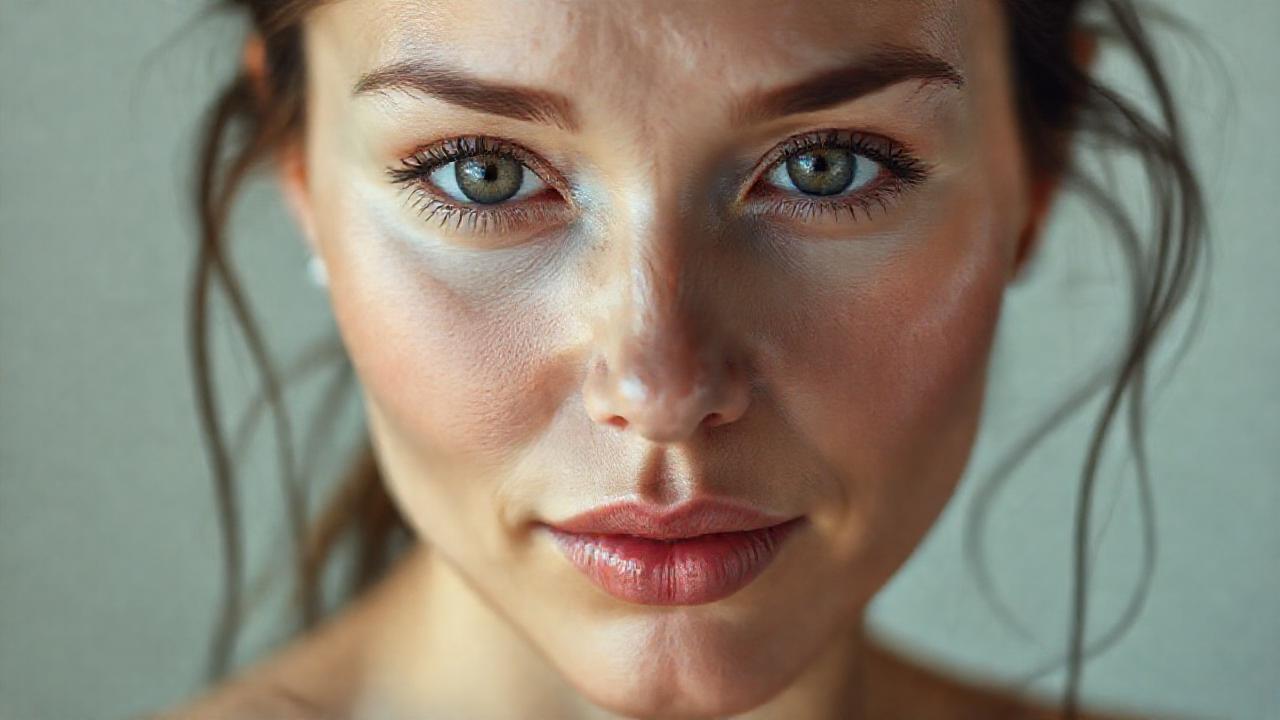
Malassezia folliculitis shows distinct symptoms. The main sign is the sudden appearance of small, uniform, itchy bumps, which may be red or flesh-colored with a white head. They are typically very itchy, unlike bacterial acne which is tender or painful. The bumps cluster on the upper chest, back, shoulders, and face, especially along the hairline.
Other signs include prickliness or stinging, especially when sweating. The bumps are usually monomorphic (uniform), unlike the varied lesions of bacterial acne. If standard acne treatments haven't worked, consider this yeast infection. A self-assessment tool can help you evaluate your symptoms.
Symptoms worsen with heat, humidity, and tight clothing. Untreated, it can last months or years. It's not contagious but may affect self-esteem. Early recognition speeds relief with proper antifungal therapy.
Causes and Risk Factors
The root cause is overgrowth of Malassezia yeast. Normally harmless, it thrives under certain conditions. Key risk factors include:
- Excessive sweating — creates a warm, moist environment that yeast loves.
- Oily skin — provides ample food for the yeast.
- Use of antibiotics — reduces bacteria that normally keep yeast in check.
- Corticosteroids or immune-suppressing medications — weaken the immune response.
- Hot, humid climates — promotes yeast growth.
- Tight, non-breathable clothing — traps sweat and oil.
- Hormonal changes — can increase sebum production.
Knowing these triggers helps prevention. For those prone, showering post-exercise, wearing loose cotton, and using oil-free products can reduce flare-ups.
Warning: Avoid using heavy moisturizers, oils, or occlusive products that can feed the yeast. Also, do not use over-the-counter steroid creams as they may worsen the infection. Always seek professional advice before starting any new treatment.
Fungal Acne Treatment Options
Effective therapy uses antifungal agents, not standard acne drugs. A common and effective option is ketoconazole, available OTC or by prescription. Ketoconazole cream is applied directly to affected areas once or twice daily. It disrupts yeast cell membranes, killing the fungus and preventing recurrence.
Other antifungal shampoos and creams with selenium sulfide, zinc pyrithione, or clotrimazole are also effective. Many use dandruff shampoos as body washes. For resistant cases, dermatologists may prescribe oral antifungals like fluconazole or itraconazole.
Maintain a consistent routine: use a gentle, non-comedogenic cleanser, then an antifungal product. Avoid oils, and use salicylic acid or sulfur washes to reduce oiliness. Treatment may take weeks; maintenance prevents recurrence. If unsure, use an online self-assessment tool, but confirm with a dermatologist.
Prevention and Lifestyle Tips
Prevention involves controlling yeast-friendly conditions. Shower after sweating, dry well, wear breathable fabrics, and change linens often. Use zinc pyrithione soap or ketoconazole shampoo as body wash a few times weekly. Limit sugary and fermented foods, as they may promote yeast overgrowth.
If prone, use a self-assessment tool in your routine — if bumps appear, act quickly with antifungal therapy. Consistency matters. After initial clearance, a maintenance regimen (e.g., weekly antifungal cleanser) prevents recurrence.
In summary, Malassezia folliculitis is a distinct condition needing targeted antifungal care. By understanding this infection, recognizing symptoms, and using effective treatments like ketoconazole cream, you can achieve clear skin. Consult a dermatologist for persistent or severe cases.