How AI Dermatologist Works: Photo Analysis & Skin Scanner Technology
Artificial intelligence is transforming dermatology, making skin assessments accessible to anyone with a smartphone. The technology behind an AI-powered skin scanner combines machine learning, computer vision, and vast dermatological databases to analyze skin conditions from photos. This article explains how AI photo analysis for skin works, the science behind skin scanners, and how free tools are changing skincare.
Modern AI dermatology tools can detect a wide range of concerns, from acne and eczema to suspicious moles. By using a dermatology AI picture upload, users receive instant risk assessments and recommendations. But how accurate are these tools? Let's dive into the technology powering this revolution.
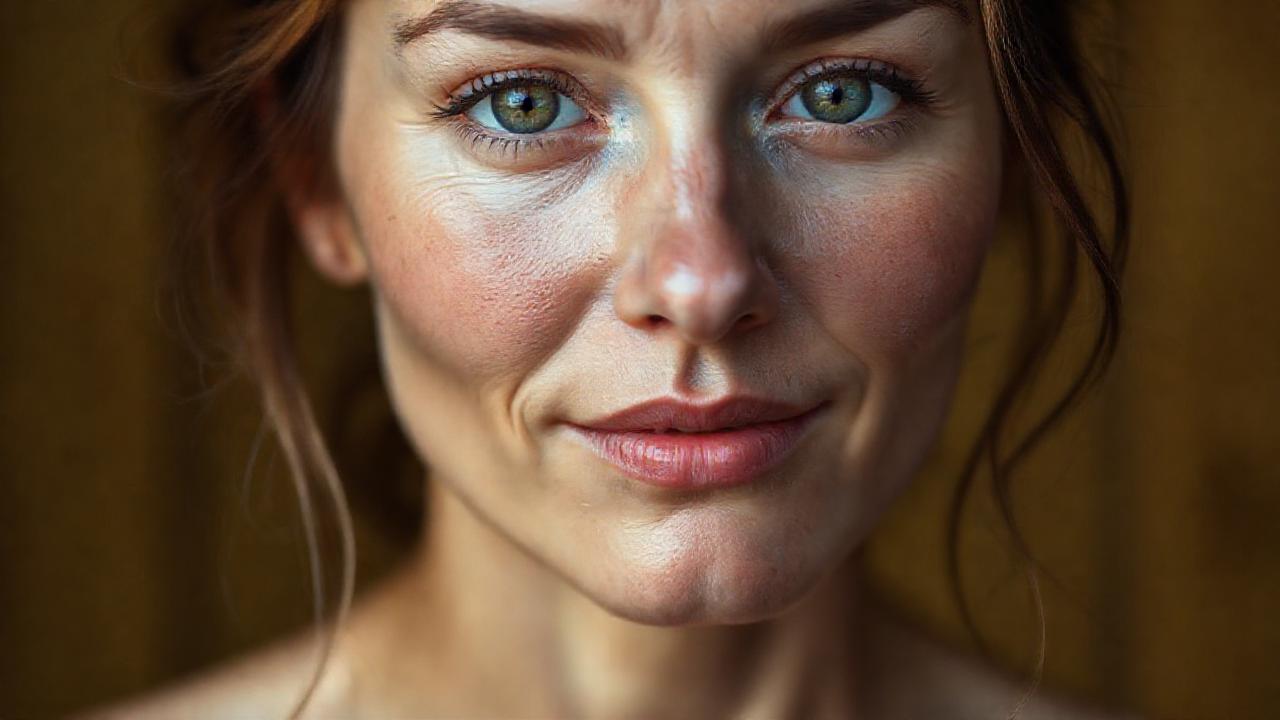
The Core Technology: Computer Vision & Deep Learning
At the heart of every AI-driven skin analysis tool is a deep learning model trained on thousands of clinical images. These models learn to identify patterns, colors, and textures characteristic of various skin conditions. When you upload a photo, the AI segments the skin area, extracts features like asymmetry, border irregularity, color variation, and then compares them to its training data.
The process typically involves:
- Image Preprocessing: The AI adjusts lighting, removes hair or obstructions, and normalizes the image for analysis.
- Segmentation: It isolates the skin area or lesion from the background.
- Feature Extraction: Key dermoscopic features like shape, color, and texture are quantified.
- Classification: The AI uses a convolutional neural network to assign a probability score for different conditions.
This is how an automated dermatological diagnosis is generated in seconds.
How to Use an AI Dermatology App: Step-by-Step
Using a free AI dermatology diagnosis app is straightforward. Most apps follow a similar workflow:
- Download the AI dermatology app from your app store.
- Create a profile and consent to data use.
- Take a clear photo of the skin concern using your phone’s camera.
- The dermatology AI picture is uploaded to the cloud for analysis.
- Within seconds, the app displays a risk assessment (e.g., benign, suspicious) and suggestions.
Some apps also include an AI dermatology tool that tracks changes over time, allowing you to monitor spots or moles. This is especially useful for early detection of melanoma.
Pro Tip: For best results, take photos in consistent lighting and avoid using filters. Many AI skincare recommendation apps also offer personalized product recommendations based on your analysis.
Accuracy and Limitations of AI Dermatology
While automated dermatological diagnosis tools are impressive, they are not a replacement for a board-certified dermatologist. Studies show these tools can achieve 80-95% accuracy for common conditions, but they may struggle with rare diseases or poor-quality images. The free dermatology AI tool versions often have lower sensitivity than paid versions.
A important limitation is that AI cannot perform a biopsy or consider patient history. It relies solely on visual data. Therefore, if an AI-based skin assessment flags a lesion as suspicious, you should follow up with a real doctor.
Warning: Do not use AI diagnosis as a substitute for professional medical advice. Always consult a qualified dermatologist for proper diagnosis and treatment.
Popular AI Dermatology Apps and Their Features
There are several virtual dermatology analytics apps available today. Here are some notable ones:
- SkinVision: Uses an AI-powered skin scanner to assess moles and spots for skin cancer risk.
- Miiskin: Focuses on mole tracking with photo comparisons.
- FirstDerm: Offers AI triage followed by a dermatologist review.
- CureSkin: Provides AI skincare recommendations for acne and pigmentation.
Many of these apps offer a free tier for basic AI dermatology diagnosis scans, with premium subscriptions for detailed reports.
The Future of AI in Dermatology
As datasets grow and algorithms improve, automated dermatological diagnosis will become even more accurate. Future AI photo analysis for skin may include 3D imaging and integration with wearable devices. The AI dermatology tool of tomorrow could analyze skin changes continuously, alerting users to potential issues before they escalate.
Free AI dermatology diagnosis services will likely expand, making dermatological care more equitable globally. However, regulatory standards must evolve to ensure safety and privacy.
In summary, an AI-powered skin scanner leverages deep learning to analyze dermatology AI picture uploads, providing instant AI-driven skin analysis results. While not perfect, these tools are a powerful supplement to traditional dermatology. Try a reputable AI dermatology app to take control of your skin health today.
This article is for informational purposes only. Always consult a healthcare provider for medical concerns.