How Skin Analysis Works: A Deep Dive into the Technology
In the ever-evolving world of skincare, understanding your skin's unique needs is the first step toward achieving a healthy, radiant complexion. But how do professionals and advanced at-home devices truly see beneath the surface? The answer lies in sophisticated skin analysis technology. This article explains how skin analysis works, exploring the cameras, lights, and devices that make it possible.
What Is Skin Analysis Technology?
Skin analysis technology encompasses a range of devices and methods used to evaluate skin condition objectively. Instead of relying solely on visual inspection or subjective descriptions, a skin analysis scan uses advanced imaging and light to reveal hidden concerns like sun damage, dehydration, and early signs of aging. This data-driven approach allows for personalized skincare recommendations and treatment plans.
Modern skin analysis equipment combines multiple technologies: high-resolution cameras for detailed surface imaging, cross-polarized light to visualize subsurface conditions, and UV light to detect sun damage and pigmentation. By analyzing these images with specialized software, practitioners can track changes over time and tailor interventions precisely.
The Role of the Skin Analysis Camera
A skin analysis camera is not an ordinary camera. It captures images under different lighting conditions to reveal details invisible to the naked eye. For example, cross-polarized lighting cancels out surface reflections, allowing the camera to see deeper into the epidermis. This helps assess pore size, texture, and fine lines.
Some devices use a skin analysis lamp with multiple light modes: white light for general surface assessment, polarized light for subsurface, and UV light for pigmentation and sun damage. The camera then captures each mode, and software stitches them together for a comprehensive view.
Advanced cameras can also measure parameters like skin tone evenness, redness, and porphyrins (bacterial activity) using fluorescence. This level of detail helps identify issues such as acne-prone areas before they become visible.
Did You Know? Professional skin analysis devices often require calibration to ensure that lighting and color are consistent across sessions, allowing accurate before-and-after comparisons.
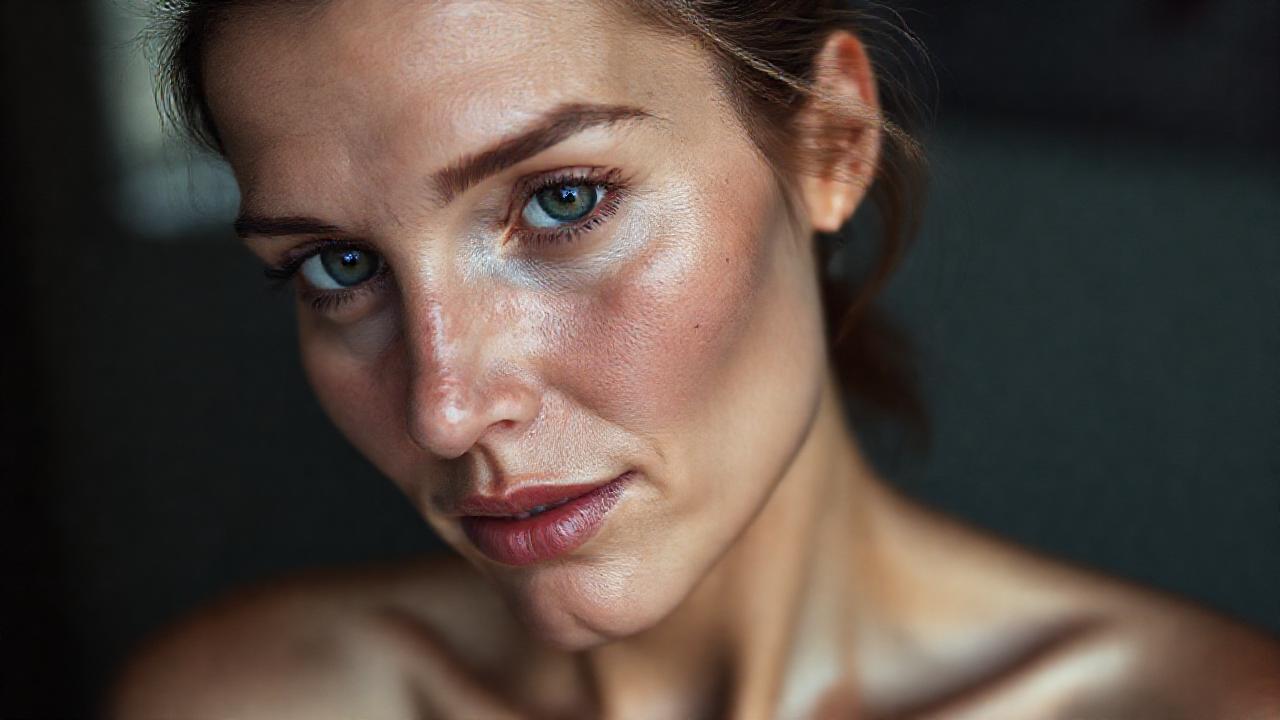
UV Light and Other Light Sources in Skin Analysis
Among the most powerful tools in skin analysis is ultraviolet (UV) light. When the skin is exposed to UV light in a controlled environment, certain substances fluoresce. For instance, skin analysis light in the UV spectrum can highlight:
- Sun damage: Pigmented spots appear darker under UV, even if not visible in normal light.
- Dehydration: Dry areas may show as patchy or flaky.
- Oiliness: Sebum and porphyrins glow orange or red, indicating bacterial activity.
- Skin thickness: Thinner skin may appear more translucent.
Besides UV, skin analysis lamps often include Wood's lamp (a specific type of UV) and infrared light. Infrared can measure hydration levels by analyzing how light is absorbed by water in the skin. These different wavelengths work together to create a complete picture of skin health.
Safety Note: UV light used in skin analysis is low-intensity and brief, but it's still important to protect eyes. Always close your eyes during UV capture, and let the operator guide you.
Skin Analysis Devices and Equipment
A wide range of skin analysis equipment exists, from handheld wands to large diagnostic stations. Common examples include the VISIA Complexion Analysis system, the Observ 520, and newer AI-powered devices like the L'Oréal Skin Genius. Each uses a combination of cameras, lights, and software to generate a detailed report.
These skin analysis devices typically measure:
- Wrinkles and fine lines via texture analysis.
- Pores size and density.
- Pigmentation (melanin) and redness (hemoglobin).
- Skin tone evenness.
- Sun damage and UV spots.
- Hydration via impedance or infrared.
Many devices also offer comparison features, allowing clients to see progress over multiple visits. This encourages adherence to skincare routines and professional treatments.
How a Typical Skin Analysis Scan Works
Curious about what happens during a skin analysis scan? Here's a step-by-step overview:
- Cleansing: The skin is cleansed to remove makeup and oil, ensuring accurate readings.
- Positioning: The client places their face in a chin rest or mask that aligns with the camera system.
- Image capture: The device takes multiple images under different lighting modes (white, cross-polarized, UV, etc.).
- Analysis: Software processes the images, isolating features like spots, pores, and texture. It compares them to age-matched norms.
- Report generation: A visual report shows scores and maps of concerns, often highlighting areas that need attention.
- Consultation: The practitioner explains results and recommends products or treatments.
The entire process is non-invasive and typically takes 10–15 minutes. It's painless and provides invaluable insights that empower both professionals and clients.
Benefits and Future of Skin Analysis Technology
Understanding how does skin analysis work helps appreciate its benefits: personalized care, early detection of issues, and objective tracking. For skincare professionals, it lends credibility and enhances client trust. For consumers, it eliminates guesswork and delivers targeted solutions.
The future of skin analysis technology includes AI-driven predictions, smartphone-based analysis, and integration with at-home devices. As technology shrinks, we may soon see pocket-sized scanners that rival professional equipment. However, for now, professional-grade skin analysis devices remain the gold standard for comprehensive assessment.
In conclusion, skin analysis cameras, UV light, and sophisticated software work together to reveal the hidden story of your skin. Whether you're a dermatologist, esthetician, or skincare enthusiast, embracing this technology can transform your approach to skin health. So next time you see a skin analysis lamp or hear about a skin analysis scan, you'll know exactly how it unveils the secrets beneath the surface.