Menopause Skin Conditions: Dryness, Acne & Rosacea Flares
Menopause is a natural biological transition that marks the end of a woman's reproductive years. While many are aware of common symptoms like hot flashes and night sweats, fewer anticipate the profound impact menopause has on the skin. Hormonal fluctuations, particularly the decline in estrogen, can trigger various skin issues, from persistent dryness and adult-onset acne to unexpected rosacea flares. These changes can be distressing, but with the right knowledge and skincare strategies, it is possible to manage them effectively. This article explores common dermatological changes during menopause—dryness, acne, and rosacea flares—and offers practical advice for restoring skin health during this life stage.
Why Does Menopause Affect Skin? The Hormonal Connection
Estrogen plays a vital role in maintaining skin structure and function. It stimulates collagen production, promotes sebum secretion, and supports skin hydration by boosting hyaluronic acid and natural moisturizing factors. As estrogen levels drop during perimenopause and menopause, the skin becomes thinner, less elastic, and more prone to dryness. Additionally, the decrease in estrogen alters the skin's barrier function, making it more susceptible to irritation and inflammation. These changes create a perfect storm for developing various skin problems during menopause. The decline in estrogen also affects the skin's microbiome, potentially allowing opportunistic bacteria or yeast to overgrow, exacerbating acne or rosacea. Understanding this underlying hormonal shift is crucial for tailoring an effective skincare routine.
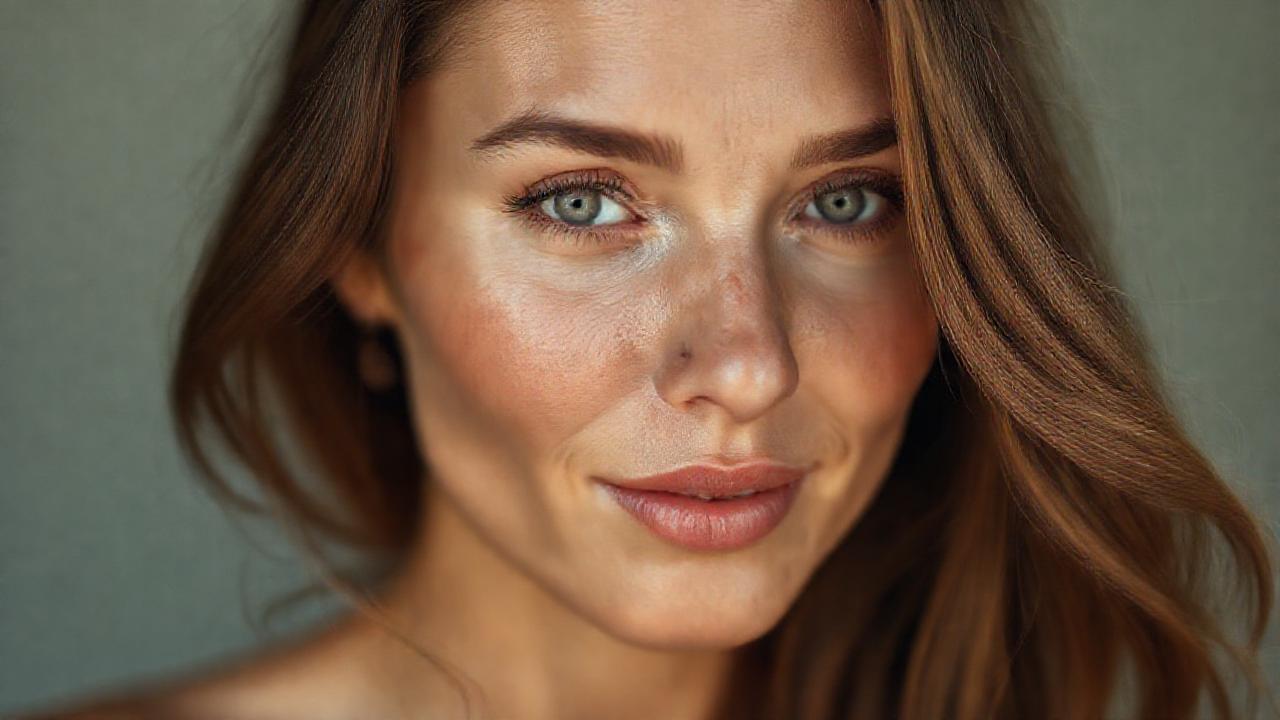
Dry Skin: The Most Common Menopause Skin Condition
Dryness is arguably the most prevalent complaint among women experiencing menopause. Without sufficient estrogen, the skin's lipid barrier becomes compromised, leading to transepidermal water loss. The result is rough, flaky, tight, and itchy skin that may also appear dull. Many women notice that their regular moisturizer no longer provides adequate relief. To combat dryness, it is essential to adopt a hydrating routine:
- Gentle Cleansing: Use a cream or oil-based cleanser that does not strip natural oils. Avoid foaming cleansers with sulfates.
- Hydrating Ingredients: Look for products containing hyaluronic acid, glycerin, ceramides, and niacinamide. These help restore moisture and strengthen the barrier.
- Occlusives: Apply a thicker moisturizer with petrolatum, shea butter, or squalane to lock in hydration, especially at night.
- Humidifier: Using a humidifier in your bedroom can add moisture to the air and reduce transepidermal water loss while you sleep.
Exfoliation should be approached with caution. Over-exfoliating can further damage the barrier. Instead, opt for gentle chemical exfoliants like lactic acid or polyhydroxy acids (PHAs) once or twice a week. Remember that even oily skin can become dry during menopause, so adjust your products accordingly. Persistent dry skin may also indicate other issues such as thyroid disorders, so consult a dermatologist if symptoms are severe.
Adult-Onset Acne: Hormonal Breakouts After 40
While many associate acne with adolescence, it is surprisingly common during menopause. Fluctuating estrogen and progesterone levels, along with a relative increase in androgens (like testosterone), stimulate the sebaceous glands to produce more oil. This excess sebum, combined with dead skin cells, clogs pores and leads to breakouts, typically along the jawline, chin, and neck. This type of acne is often deep, painful, and slow to heal. Managing these breakouts requires a different approach than teenage acne:
- Non-Comedogenic Products: Choose oil-free, non-comedogenic moisturizers and sunscreens to avoid clogging pores.
- Topical Retinoids: Retinol or prescription tretinoin can help normalize cell turnover and prevent clogged pores. Start with low concentrations to avoid irritation.
- Salicylic Acid or Benzoyl Peroxide: Use these spot treatments sparingly, as they can be drying. Salicylic acid helps exfoliate inside pores, while benzoyl peroxide kills acne-causing bacteria.
- Hormonal Therapy: For moderate to severe cases, a dermatologist may recommend spironolactone (a medication that blocks androgens) or oral contraceptives (if still in perimenopause). Bio-identical hormone replacement therapy (HRT) can also help by stabilizing hormone levels.
It is important not to over-wash or use harsh scrubs, as this can exacerbate inflammation. Consistency is key; acne treatments often take 8-12 weeks to show results. Also, be mindful of stress and diet—high glycemic foods and dairy may trigger breakouts in some women.
Rosacea Flares: Redness, Bumps, and Triggers
Rosacea is a chronic inflammatory condition characterized by facial redness, visible blood vessels, and sometimes papules and pustules that resemble acne. Menopause can be a turning point for rosacea, either triggering its first onset or causing existing rosacea to flare. The exact reasons are not fully understood, but hormonal fluctuations, increased skin sensitivity, and changes in the immune response likely play a role. Common triggers for rosacea flares during menopause include hot flashes (which cause flushing), spicy foods, alcohol, caffeine, sun exposure, and extreme temperatures. Managing rosacea requires a gentle, anti-inflammatory approach:
- Identify and Avoid Triggers: Keep a diary to track flares. Common culprits: hot drinks, sun, wind, stress, and certain skincare ingredients (e.g., alcohol, menthol, witch hazel).
- Barrier Repair: Use moisturizers with ceramides, niacinamide, and soothing ingredients like green tea extract or centella asiatica. These help calm inflammation and strengthen the skin barrier.
- Prescription Treatments: Topical metronidazole, ivermectin, or azelaic acid can reduce redness and bumps. Oral antibiotics like doxycycline (low dose) may be used for inflammatory flares.
- Sun Protection: Daily use of a mineral sunscreen (zinc oxide or titanium dioxide) is non-negotiable, as UV rays are a major trigger.
Laser treatments (e.g., IPL or pulsed dye laser) can be effective for reducing persistent redness and visible blood vessels. However, these should be performed by a qualified dermatologist after a thorough evaluation. It is also important to note that rosacea can coexist with acne, making diagnosis and treatment more complex.
Did You Know? Not all skin changes during menopause are permanent. With consistent care and, in some cases, hormone replacement therapy, many women see significant improvement in their skin's hydration, texture, and overall health. Always consult a healthcare provider before starting HRT or any new treatment.
Overcoming Common Challenges with Menopause Skin Conditions
Dealing with multiple skin issues during menopause can be overwhelming, especially when treatments for one condition may aggravate another. For example, anti-acne products can worsen dryness, and moisturizers may clog pores. Customizing your routine with the help of a dermatologist is essential. Consider simplifying your routine to include only gentle, multi-functional products. Additionally, lifestyle factors play a significant role. A balanced diet rich in omega-3 fatty acids (found in fish, flaxseeds, and walnuts), antioxidants (berries, leafy greens), and adequate hydration supports skin health from the inside out. Stress management through yoga, meditation, or adequate sleep can also help regulate hormonal fluctuations and reduce inflammation.
Warning: Be cautious with over-the-counter anti-aging products containing high concentrations of active ingredients (e.g., glycolic acid, retinol) during menopause. They can severely irritate already sensitive skin. Always patch test new products and introduce them one at a time. If you experience persistent redness, stinging, or breakouts, stop use and consult a dermatologist.
Medical Treatments and Professional Help
While over-the-counter products can help, many women benefit from professional treatments for menopause-related skin concerns. For severe dryness, prescription barrier creams containing medical-grade ceramides or pimecrolimus may be used. Acne that does not respond to topical treatments may require oral medications like spironolactone or low-dose doxycycline. Rosacea flares can be managed with a combination of topical prescriptions and in-office procedures such as laser or intense pulsed light (IPL) therapy. Hormone replacement therapy (HRT) can help by stabilizing estrogen levels, which positively affects collagen production, moisture retention, and sebum regulation. However, HRT is not suitable for everyone; risks include blood clots, breast cancer, and cardiovascular issues. A thorough discussion with a gynecologist or menopause specialist is essential before considering HRT.
Additionally, a dermatologist can assess for other conditions that mimic menopause-related skin issues, such as thyroid disease, autoimmune disorders, or skin cancer. Regular skin checks are especially important because menopause can make the skin more vulnerable to sun damage.
Building a Skincare Routine for Menopause
A well-structured skincare routine can make a world of difference in managing skin problems during menopause. Here is a sample routine to consider:
- Morning: Gentle cleanser → Antioxidant serum (vitamin C) → Moisturizer with ceramides → Mineral sunscreen SPF 30+
- Evening: Oil-based cleanser (to remove makeup/sunscreen) → Gentle hydrating cleanser → Retinol (2-3 times per week) → Barrier repair moisturizer
- Weekly: Gentle exfoliation with a PHA or lactic acid toner (1-2 times) → Calming sheet mask
Adjust based on your skin's response. If using retinol, apply it only at night and always follow with sunscreen in the morning. If you have active rosacea, skip retinol and focus on soothing ingredients. Patch test all new products for at least a week.
Conclusion: Embracing Change with Confidence
Menopause is a journey that affects every aspect of a woman's body, including her skin. While dryness, acne, and rosacea flares can be frustrating, they are not something you have to accept without a fight. With a deeper understanding of the underlying hormonal changes, you can take proactive steps to manage skin changes during menopause. By working with a dermatologist, customizing your skincare routine, and making lifestyle adjustments, you can maintain healthy, comfortable skin. Remember that you are not alone—millions of women experience these changes. With patience and the right approach, it is possible to navigate this transition with confidence and grace.