Skin Conditions During Pregnancy: Melasma, PUPPP, and Prurigo
Pregnancy brings numerous changes to a woman's body, and the skin is no exception. Many expectant mothers experience various skin conditions during pregnancy, ranging from harmless pigment changes to itchy, uncomfortable rashes. Understanding these conditions, their causes, and safe management options is essential for maintaining comfort and peace of mind. Among the most common dermatological conditions triggered by pregnancy are melasma, PUPPP (pruritic urticarial papules and plaques of pregnancy), and prurigo of pregnancy. This comprehensive guide explores each condition in detail, offering insights into symptoms, triggers, and treatment approaches that prioritize both maternal and fetal safety.
Hormonal fluctuations, immune system changes, and physical stretching all contribute to the unique dermatological challenges of pregnancy. While most skin issues during pregnancy are benign and resolve after delivery, they can significantly impact quality of life. By familiarizing yourself with these conditions, you can work with your healthcare provider to develop a tailored management plan. Let's dive into the three most prevalent pregnancy-related skin problems.
Melasma: The Mask of Pregnancy
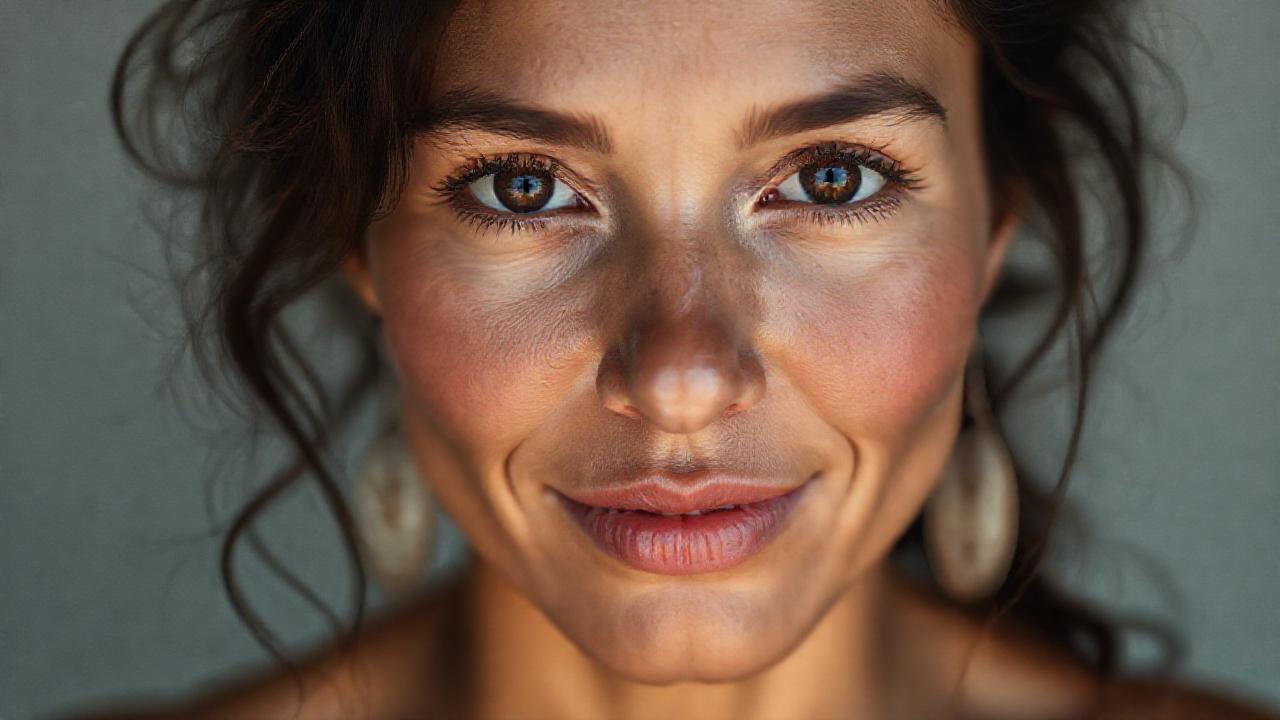
Melasma, often called the "mask of pregnancy," is a common hyperpigmentation condition that affects up to 50-70% of pregnant women. It presents as brown or gray-brown patches on the face, typically on the cheeks, forehead, nose, upper lip, and chin. These patches are usually symmetrical and can be more pronounced in women with darker skin tones. The condition is driven by increased levels of estrogen and progesterone, which stimulate melanocytes (pigment-producing cells) to produce excess melanin. Sun exposure exacerbates melasma, making sun protection a critical preventive measure.
While melasma is painless and not harmful, it can cause emotional distress due to its cosmetic impact. Fortunately, it often fades within a few months after childbirth, though some women may experience persistent pigmentation. To manage melasma during pregnancy, experts recommend:
- Using a broad-spectrum sunscreen (SPF 30 or higher) daily, even on cloudy days.
- Wearing wide-brimmed hats and seeking shade when outdoors.
- Applying gentle, pregnancy-safe skincare products containing ingredients like vitamin C or azelaic acid (consult your doctor first).
- Avoiding harsh chemical peels or laser treatments that may not be safe during pregnancy.
In severe cases, a dermatologist may prescribe topical hydroquinone after the first trimester, but this should only be used under medical supervision. For most women, patience and consistent sun protection are the best strategies. Remember, melasma is one of the most frequent skin conditions in pregnancy, and you are not alone.
PUPPP: Itchy Rash in Late Pregnancy
Pruritic urticarial papules and plaques of pregnancy (PUPPP) is the most common itchy rash specific to pregnancy, affecting about 1 in 160 pregnancies. It usually appears in the third trimester, often starting on the abdomen (especially within striae or stretch marks) and spreading to the thighs, buttocks, and arms. The rash consists of small, red, raised bumps that may form larger, hive-like plaques. Intense itching is the hallmark symptom, which can disrupt sleep and daily activities. The exact cause of PUPPP is unknown, but it is thought to involve immune system changes and connective tissue damage from abdominal stretching.
PUPPP does not pose a risk to the baby, but it can be extremely uncomfortable for the mother. Treatment focuses on relieving itching and preventing secondary infections from scratching. Safe options include:
- Applying cool compresses or taking oatmeal baths.
- Using topical hydrocortisone cream (low potency, under medical advice).
- Wearing loose, soft cotton clothing to minimize irritation.
- Taking oral antihistamines like diphenhydramine or cetirizine after consulting your doctor.
Expert Note: While PUPPP is one of the most common pregnancy-related skin issues, it typically resolves within a week or two after delivery. However, if you develop a rash with blisters or severe symptoms, contact your healthcare provider immediately to rule out more serious conditions like pemphigoid gestationis.
Prurigo of Pregnancy: Persistent Itchy Bumps
Prurigo of pregnancy is a less well-known but equally irritating skin condition. It appears as scattered, small, itchy bumps (papules) on the arms, legs, trunk, and buttocks. Unlike PUPPP, prurigo can occur at any stage of pregnancy and often lasts longer—sometimes persisting for weeks to months after delivery. The bumps may have a crusted top due to scratching, and hyperpigmented spots can remain after healing. The cause is believed to be an immune response to pregnancy-related changes, possibly linked to cholestasis or other hormonal shifts.
Management of prurigo focuses on symptom relief and preventing skin damage. Treatment strategies include:
- Applying topical corticosteroids (low to moderate potency) as prescribed.
- Using anti-itch creams like pramoxine or menthol-based lotions.
- Taking oral antihistamines for nighttime itching.
- Moisturizing regularly to reduce skin dryness and irritation.
In some cases, a dermatologist may recommend phototherapy (narrowband UVB) for severe, treatment-resistant prurigo. This is considered safe during pregnancy when supervised. While prurigo of pregnancy may be one of the more persistent skin issues that arise during pregnancy, it does not harm the baby and usually resolves within a few months postpartum.
Warning: If you experience intense, widespread itching without a visible rash—especially on the palms and soles—or if your urine becomes dark and stools pale, contact your healthcare provider immediately. These could be signs of intrahepatic cholestasis of pregnancy, a liver condition that requires medical attention.
Managing Skin Conditions During Pregnancy Holistically
Beyond specific treatments, adopting a gentle skincare routine can help allay many skin problems in pregnancy. Use fragrance-free, hypoallergenic products, avoid hot showers that strip natural oils, and stay hydrated. Eating a balanced diet rich in vitamins C, E, and omega-3 fatty acids may support skin health. Regular exercise and stress reduction techniques like prenatal yoga can also improve overall well-being and potentially reduce flare-ups.
It's essential to communicate openly with your obstetrician and dermatologist about any skin changes. Many treatments that are safe for the general population may not be recommended during pregnancy, so always verify before using over-the-counter products. Keep a symptom diary to track triggers and responses—this can help tailor your care.
When to Seek Urgent Medical Care
While most skin conditions during pregnancy are benign, certain warning signs require immediate evaluation. These include:
- Rash accompanied by fever, joint pain, or blisters.
- Open sores that show signs of infection (redness, warmth, pus).
- Severe itching affecting your sleep or causing excoriation.
- Jaundice (yellowing of skin or eyes) or dark urine, which may indicate liver issues.
Your healthcare provider can perform tests to rule out conditions like pemphigoid gestationis, polymorphic eruption of pregnancy, or cholestasis. Early diagnosis ensures the best outcomes for both you and your baby.
Conclusion: Embracing Your Changing Skin
Pregnancy is a transformative journey, and dermatological changes are common companions along the way. Melasma, PUPPP, and prurigo of pregnancy represent just a few of the many skin conditions that can occur during pregnancy. By understanding their causes and safe management strategies, you can reduce discomfort and focus on the joy of expecting. Remember, these changes are temporary—your skin will often return to its pre-pregnancy state with time. Always consult your healthcare team before starting any new treatment, and don't hesitate to seek support if symptoms affect your well-being. With proper care, you can navigate these challenges and embrace the beauty of your pregnancy glow—even if it's accompanied by a few bumps or patches.