Rosacea in Pregnancy and Perimenopause
Rosacea is a chronic skin condition characterized by facial redness, visible blood vessels, and sometimes acne-like bumps. For women, hormonal fluctuations during pregnancy and perimenopause can significantly influence rosacea symptoms. Understanding how to manage this condition during these life stages is essential for maintaining skin health and confidence.
Many women notice changes in their skin during pregnancy, and rosacea is no exception. The condition may worsen, improve, or remain stable. Similarly, the hormonal shifts of perimenopause—the transition to menopause—can trigger or exacerbate this skin issue. This article explores the relationship between rosacea, pregnancy, and perimenopause, offering evidence-based advice on safe management.
Understanding Rosacea and Hormonal Changes
Rosacea is influenced by various factors, including genetics, environmental triggers, and the immune system. Hormones play a key role, particularly estrogen and progesterone, which affect blood vessel dilation and inflammation. During pregnancy, levels of these hormones surge, potentially calming or aggravating rosacea. In perimenopause, estrogen declines while follicle-stimulating hormone (FSH) increases, leading to hot flashes and skin changes that can trigger flare-ups.
Key Insight: Hormonal fluctuations are a common trigger for rosacea. Keeping a symptom diary can help identify patterns related to your menstrual cycle, pregnancy, or perimenopausal symptoms.
Understanding these hormonal influences helps women anticipate flare-ups and adjust their skincare routines accordingly. For instance, if you notice worsening symptoms during certain phases of your cycle, you can take preventive measures.
Rosacea During Pregnancy: What to Expect
Pregnancy can have mixed effects on this condition. Some women experience significant improvement due to increased blood flow and hormonal changes, while others see new or worsening symptoms. Common changes include increased facial redness, sensitivity, and the appearance of small dilated blood vessels (telangiectasias). It is essential to discuss any skin concerns with your obstetrician or dermatologist to ensure safe management during gestation.
Many standard rosacea treatments, such as oral medications like tetracycline antibiotics, are contraindicated during pregnancy due to risks to the developing fetus. Topical medications like metronidazole and azelaic acid are generally considered safer, but you should always seek medical advice before use. Lifestyle modifications, including sun protection, gentle cleansing, and avoiding triggers like spicy foods and alcohol, are the cornerstone of managing this condition during pregnancy.
Warning: Avoid using isotretinoin, oral antibiotics (except erythromycin under strict guidance), and certain topical steroids during pregnancy, as they can harm the baby. Always consult your healthcare provider before starting any treatment for rosacea during pregnancy.
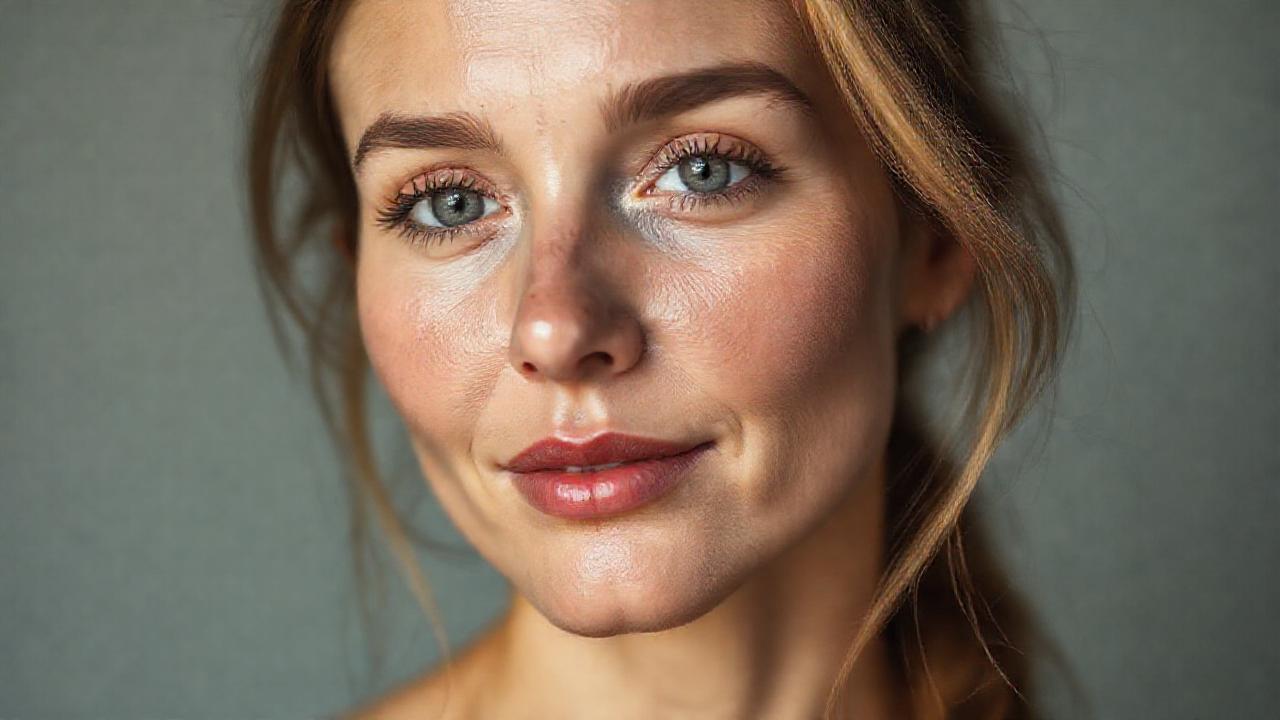
Managing Rosacea During Pregnancy Safely
Safe management of this condition during pregnancy focuses on non-medical approaches and pregnancy-compatible topicals. Here are some key strategies:
- Sun Protection: Use a mineral sunscreen with zinc oxide or titanium dioxide, as chemical sunscreens may be absorbed.
- Gentle Cleansing: Use a mild, non-foaming cleanser and avoid exfoliants like retinoids.
- Avoid Triggers: Common triggers include hot beverages, spicy foods, extreme temperatures, and stress.
- Moisturize: Use a fragrance-free moisturizer to support the skin barrier.
If topical treatments are needed, azelaic acid (15% gel) and metronidazole (0.75% cream) are often recommended during pregnancy, but only after consulting your doctor. Avoid procedures like laser therapy until after childbirth.
Rosacea and Perimenopause: The Hormonal Shift
Perimenopause, the years leading up to menopause, is marked by fluctuating and then declining estrogen levels. This hormonal rollercoaster can trigger or worsen rosacea. Many women report increased facial flushing, redness, and sensitivity during this time. The link between this condition and vasomotor symptoms (hot flashes) is well-documented, as both involve blood vessel reactivity.
In addition to hormonal triggers, aging skin becomes thinner and more prone to visible blood vessels. This can make rosacea more noticeable. Women experiencing this phase should focus on gentle skincare and consider hormone therapy if appropriate, though its impact on the condition varies.
Note: Talk to your doctor about whether hormone replacement therapy (HRT) might help stabilize your skin. Some women find it reduces flushing, but others see no change.
Treatment Considerations for Perimenopause
Treating rosacea during perimenopause involves many of the same options as for other adults, but with attention to skin aging. Topical medications like ivermectin, metronidazole, and azelaic acid remain effective. Oral medications such as low-dose doxycycline may be used but require careful monitoring for side effects like photosensitivity and gastrointestinal issues.
Laser and light therapies (e.g., IPL, pulsed dye laser) can reduce redness and visible blood vessels, and are safe for most women. However, perimenopausal skin may be more sensitive, so choose an experienced practitioner. Skincare should include barrier repair products and antioxidants like vitamin C.
Lifestyle and Skincare Tips
Regardless of life stage, managing rosacea requires a holistic approach. Here are additional tips for both pregnancy and perimenopause:
- Stress Management: Practice yoga, meditation, or deep breathing to reduce stress-triggered flare-ups.
- Diet: Avoid known triggers like alcohol, caffeine, and spicy foods. Some women benefit from an anti-inflammatory diet rich in omega-3s.
- Hydration: Drink plenty of water to keep skin hydrated.
- Gentle Exercise: Moderate activity improves circulation, but avoid overheating.
Remember that everyone's skin is unique. What works for one person may not work for another. Patience and consistency are key.
Conclusion
Rosacea during pregnancy and perimenopause presents unique challenges due to hormonal fluctuations. By understanding your triggers, using safe treatments, and adopting a gentle skincare routine, you can manage symptoms effectively. Always consult with a dermatologist or healthcare provider to tailor a plan that suits your specific situation. With the right approach, you can maintain healthy, comfortable skin throughout these transformative life stages.