Rosacea Symptoms: Flushing, Redness & Bumps
Rosacea is a chronic skin condition that affects millions worldwide, primarily characterized by facial flushing, persistent redness, and visible bumps. Understanding its symptoms is crucial for early diagnosis and management. Many people wonder, "how does it manifest?" This article provides a detailed overview of the signs.
The condition often begins with episodes of flushing, which can be triggered by various factors such as sun exposure, stress, hot beverages, or spicy foods. Over time, the flushing becomes more persistent, leading to a constant redness on the cheeks, nose, chin, and forehead. This is often accompanied by visible blood vessels (telangiectasias) and small red bumps or pustules that resemble acne but without blackheads. Recognizing these early indicators of rosacea is key to seeking timely treatment.
Common Signs of Rosacea
The primary signs include facial flushing, persistent redness, bumps and pimples, visible blood vessels, and eye irritation. Each symptom can vary in severity among individuals. The classic pattern is a red, swollen nose in men, known as rhinophyma, but it is less common. Knowing these signs helps differentiate it from other skin conditions.
- Flushing: Sudden redness with a feeling of warmth, often triggered by environmental or emotional factors. This is often the first sign and may come and go.
- Persistent Redness: A constant red discoloration on the central face, resembling a blush that doesn't fade. It may spread to the ears or neck in severe cases.
- Bumps and Pustules: Small red bumps that may contain pus, similar to acne but without comedones (blackheads or whiteheads). This is why rosacea is sometimes called acne rosacea.
- Visible Blood Vessels: Fine, thread-like red lines on the skin, known as telangiectasias. They are often visible on the cheeks and nose.
- Eye Irritation: Ocular rosacea causes dry, itchy, red, or watery eyes. Some people experience a foreign body sensation or swollen eyelids.
Key Point: Early recognition of rosacea symptoms can prevent progression. If you notice frequent flushing or persistent redness, consult a dermatologist for a proper diagnosis. The earlier the intervention, the better the outcome.
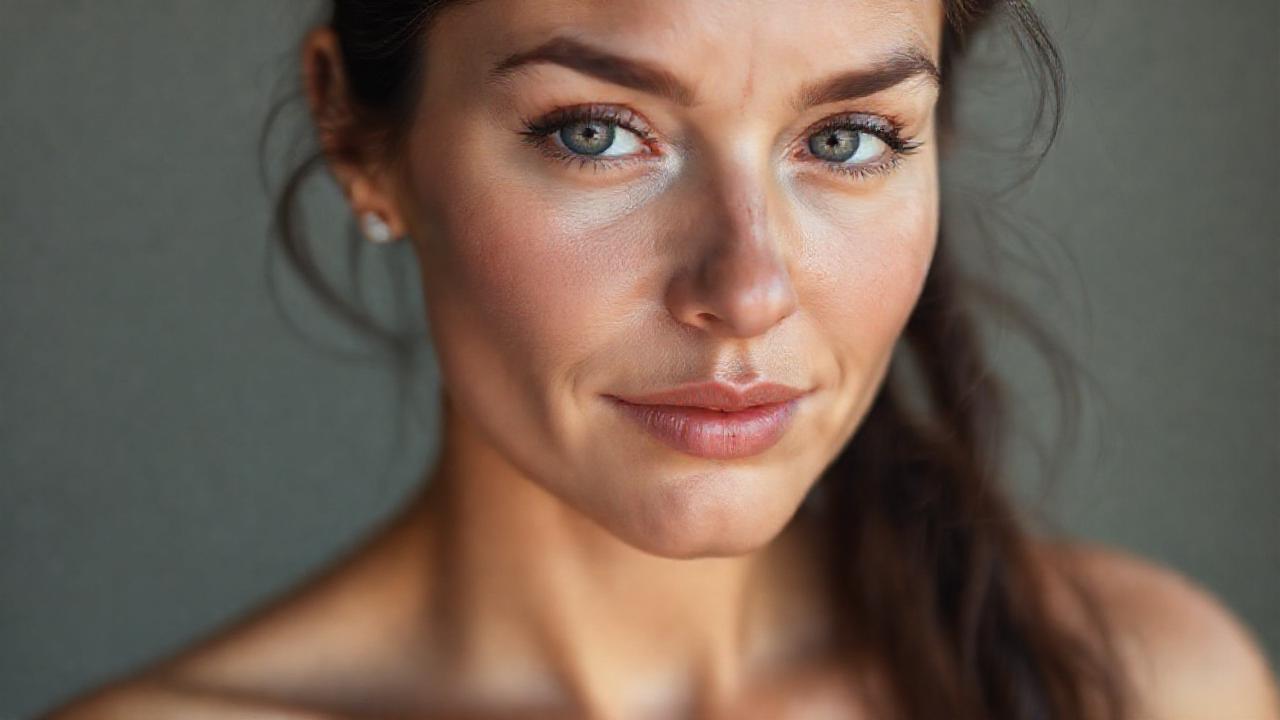
What Does Rosacea Look Like? Subtypes Explained
Many ask about the appearance of rosacea. The appearance varies by subtype. The most common subtype (erythematotelangiectatic rosacea) features flushing and redness with visible blood vessels. Another subtype (papulopustular rosacea) includes bumps and pustules. Phymatous rosacea leads to thickened skin, often on the nose. Ocular rosacea affects the eyes. Each subtype has distinct characteristics, but they can overlap.
The signs can be mistaken for acne, eczema, or sunburn due to overlapping features. However, rosacea typically occurs on the central face and lacks blackheads or whiteheads. Triggers like sunlight or spicy foods often exacerbate the condition. Knowing how rosacea appears in each subtype helps in self-assessment and communication with healthcare providers.
Caution: Do not self-treat with over-the-counter acne products, as they can aggravate rosacea. Always seek professional advice. Misdiagnosis can lead to ineffective treatments and worsening of symptoms.
Triggers and Lifestyle Management
Identifying personal triggers is essential to control rosacea symptoms. Common triggers include sun exposure, stress, hot weather, wind, spicy foods, alcohol, and certain skincare products. Keeping a symptom diary can help pinpoint triggers. Avoiding known triggers and adopting a gentle skincare routine can significantly reduce flare-ups.
Management involves a combination of lifestyle changes, gentle skincare, and medical treatments. Sunscreen is vital. Topical medications like metronidazole or azelaic acid reduce inflammation. Oral antibiotics may be prescribed for severe bumps. Laser therapy can address visible blood vessels. Understanding the early indicators empowers you to take action. With proper care, most people can keep symptoms under control and prevent progression.
Diagnosis and When to See a Doctor
Diagnosis of rosacea is primarily clinical based on the rosacea symptoms and medical history. There is no specific test. A dermatologist will examine your skin and ask about triggers and family history. It is important to seek medical advice if you experience persistent redness, bumps, or eye irritation. Early diagnosis can prevent complications like rhinophyma or vision problems.
The signs can fluctuate, so keeping a photo diary can help in diagnosis. If you suspect you have rosacea, don't hesitate to make an appointment. Many treatments are available to manage symptoms effectively.
Living with Rosacea: Tips for Daily Care
Living with rosacea requires ongoing attention to skin care and lifestyle. Use gentle cleansers, avoid scrubbing, and moisturize regularly. Choose products labeled "non-comedogenic" and "fragrance-free." Protect your skin from the sun with broad-spectrum SPF 30 or higher. Manage stress through relaxation techniques like meditation or yoga.
Diet modifications may help. Some people find that avoiding spicy foods, hot drinks, and alcohol reduces flushing. Keep a food diary to identify personal triggers. Remember that rosacea is a chronic condition, but with proper management, you can maintain clear skin and confidence.
Understanding what does rosacea look like and recognizing the early signs are the first steps toward effective treatment. You are not alone—millions manage this condition successfully. With the right approach, you can minimize symptoms and enjoy a good quality of life.