Rosacea vs Eczema & Psoriasis: Key Differences Explained
Skin conditions can be confusing, especially when they share similar symptoms. Rosacea, eczema, and psoriasis are three common chronic skin disorders that often lead to confusion. While they all involve inflammation and redness, each has distinct characteristics, triggers, and treatments. Understanding the nuances of rosacea versus eczema and their differences is crucial for proper diagnosis and management. In this comprehensive guide, we break down the distinctions, highlight key symptoms, and provide practical advice for each condition. [1]
What Is Rosacea?
Rosacea is a chronic inflammatory skin condition that primarily affects the central face, including the cheeks, nose, chin, and forehead. It is characterized by persistent redness, visible blood vessels (telangiectasias), and sometimes acne-like bumps (papules and pustules). Rosacea typically develops in adults over 30, especially those with fair skin, and is more common in women, though men often experience more severe cases.
Common triggers include sun exposure, hot or cold weather, spicy foods, alcohol, caffeine, stress, and certain skincare products. There are four subtypes of rosacea: erythematotelangiectatic (redness and flushing), papulopustular (acne-like), phymatous (thickened skin, often on the nose), and ocular (eye irritation). Treatment often involves topical medications (like metronidazole or azelaic acid), oral antibiotics, laser therapy, and lifestyle modifications to avoid triggers.
What Is Eczema?
Eczema, or atopic dermatitis, is a chronic inflammatory skin condition that causes dry, itchy, and inflamed patches of skin. It often begins in childhood and may persist into adulthood. Unlike rosacea, eczema can appear anywhere on the body, but it frequently involves the flexural areas (inner elbows, behind the knees), wrists, ankles, and neck. The hallmark symptom is intense itching, which can lead to scratching and subsequent infection.
Eczema is strongly associated with a compromised skin barrier and immune system dysfunction. Triggers include allergens (like dust mites, pet dander, pollen), irritants (soaps, detergents, wool), stress, temperature changes, and infections. Treatment focuses on moisturizing to repair the skin barrier, topical corticosteroids or calcineurin inhibitors to reduce inflammation, antihistamines for itching, and avoiding triggers. In severe cases, systemic immunosuppressants or biologic drugs may be used. [2]
What Is Psoriasis?
Psoriasis is an autoimmune skin condition characterized by rapid skin cell turnover, leading to thick, silvery scales and red plaques. Unlike eczema, psoriasis is not primarily driven by itching, though it can be itchy. It commonly appears on the scalp, elbows, knees, lower back, and nails. Psoriasis is a lifelong condition with periods of flare-ups and remissions.
Triggers include stress, infections (like strep throat), certain medications (lithium, beta-blockers), cold weather, and skin injuries (Koebner phenomenon). Treatment ranges from topical therapies (corticosteroids, vitamin D analogs, coal tar) to phototherapy (UVB light) and systemic medications (methotrexate, cyclosporine, biologics). Unlike rosacea and eczema, psoriasis often requires different management strategies due to its autoimmune nature.
Key Difference: Rosacea primarily affects the face with flushing and visible blood vessels, eczema causes dry, itchy patches in flexural areas, and psoriasis presents as thick, scaly plaques on extensor surfaces.
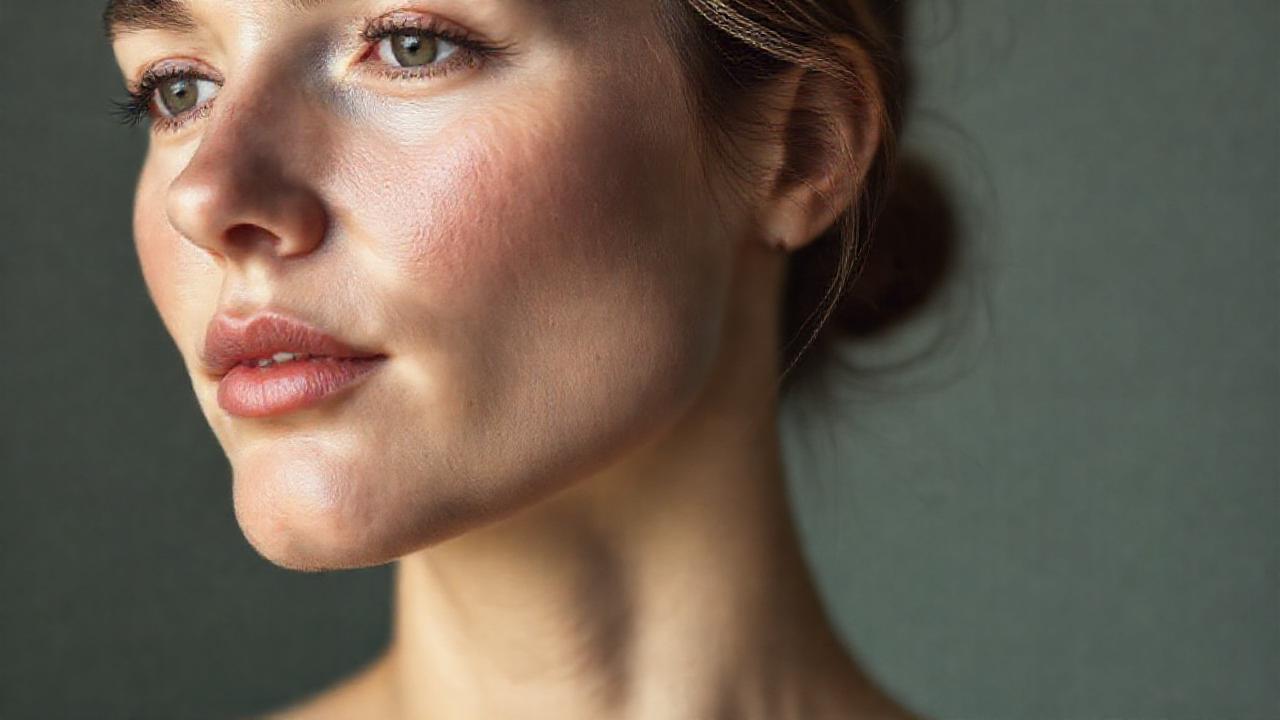
Comparing Rosacea vs Eczema vs Psoriasis
When examining the differences between rosacea and eczema, the most obvious distinction is location and symptom type. Rosacea is almost exclusively facial, with redness and visible blood vessels, while eczema can appear anywhere and is characterized by dry, itchy patches. Eczema often begins in childhood, whereas rosacea typically develops in adulthood. In the eczema versus rosacea comparison, eczema tends to have more severe itching, while rosacea patients often report a stinging or burning sensation.
Psoriasis, on the other hand, is easily distinguished by its thick, silvery scales. Psoriasis plaques are well-defined, while rosacea bumps are more diffuse and acne-like. Eczema patches are poorly defined and often weepy when scratched. All three conditions can be triggered by stress, but rosacea has unique triggers like spicy foods and alcohol, while eczema is often triggered by allergens and psoriasis by infections.
- Rosacea: Redness, flushing, visible blood vessels, papules/pustules, usually on face; triggers include sun, heat, spicy food.
- Eczema: Dry, itchy, red, cracked skin; often in skin folds; severe itching; allergens and irritants are common triggers.
- Psoriasis: Thick, silvery scales, red plaques; commonly on scalp, elbows, knees; autoimmune; triggers include stress and infections.
Diagnosis and Treatment Approaches
Diagnosis is primarily clinical, based on appearance and history. A dermatologist can usually differentiate between rosacea and eczema by examining the skin and asking about triggers. Biopsies are rarely needed but can confirm psoriasis. Treatment varies significantly: rosacea often requires long-term topical antibiotics and laser therapy, eczema relies on moisturizers and anti-inflammatory creams, and psoriasis may need phototherapy or systemic medications. [3]
Warning: Never use strong steroid creams on rosacea, as they can worsen redness and cause rebound flushing. Always consult a dermatologist for an accurate diagnosis before starting any treatment.
Lifestyle Management Tips
For rosacea, use gentle skincare products, avoid triggers, and always wear sunscreen. For eczema, keep skin moisturized, use mild cleansers, and avoid scratching. For psoriasis, maintain a healthy diet, manage stress, and avoid skin injuries. Understanding the specific triggers for each condition is critical; what works for rosacea may not apply to eczema and vice versa.
In conclusion, while rosacea, eczema, and psoriasis share some similarities, they are distinct conditions requiring tailored management. If you suspect you have any of these skin disorders, seek professional advice. The key to successful treatment is a correct diagnosis, so don’t hesitate to consult a dermatologist for a personalized plan.
References
- PMID: 22670617 (BACKGROUND) : “Dandruff/seborrhoeic dermatitis is a common scalp condition that is characterized by flakes, pruritus and sometimes mild…”
- PMID: 11685665 (BACKGROUND) : “Irritant and allergic hand dermatitis is difficult to control in individuals who are unable to avoid causative exposures…”
- PMID: 11069503 (BACKGROUND) : “Seborrhoeic dermatitis is a common papulosquamous dermatosis affecting 2-10% of the adult population. Current treatment …”