Rosacea vs Seborrheic Dermatitis: Understanding the Differences
Rosacea and seborrheic dermatitis are two common chronic skin conditions that can cause redness, flaking, and discomfort. While they share some similarities, they have distinct causes, symptoms, and treatments. Understanding rosacea vs seborrheic dermatitis is crucial for proper diagnosis and management. This article will explore the key differences, including how each condition presents, what triggers them, and the most effective treatment options. [1]
Both conditions can affect the face, but they often target different areas and produce different types of lesions. Rosacea primarily involves persistent redness, visible blood vessels, and papules or pustules, typically on the central face. In contrast, seborrheic dermatitis is characterized by greasy, yellowish scales and erythema, commonly found in areas with abundant sebaceous glands, such as the scalp, eyebrows, nose, and chest. Clearly distinguishing between these two conditions can help you seek the right treatment and avoid exacerbating the issue.
In this article, we will dive deep into the nuances of each condition, including their pathophysiology, clinical presentation, and management strategies. By the end, you will have a comprehensive understanding of these skin disorders and be better equipped to identify which condition you or a loved one may be dealing with.
What Is Rosacea?
Rosacea is a chronic inflammatory skin condition that primarily affects the central part of the face, including the cheeks, nose, chin, and forehead. It is more common in fair-skinned individuals and tends to develop after age 30. The exact cause is unknown, but it involves a combination of genetic factors, vascular abnormalities, and an overactive immune response to environmental triggers such as sunlight, heat, spicy foods, alcohol, and certain skincare products.
Symptoms of rosacea can vary widely, but common signs include persistent facial redness, flushing, visible broken blood vessels (telangiectasias), and small, red, pus-filled bumps (papules and pustules) that may resemble acne. In some cases, the skin may thicken, particularly on the nose, leading to a condition called rhinophyma. Rosacea can also affect the eyes (ocular rosacea), causing dryness, irritation, and redness.
There are four subtypes of rosacea: erythematotelangiectatic (redness and visible vessels), papulopustular (acne-like breakouts), phymatous (skin thickening), and ocular. Many people experience a combination of subtypes. Triggers vary from person to person and can include weather extremes, stress, exercise, and certain medications. Management focuses on avoiding triggers, using gentle skincare, and medical treatments such as topical metronidazole, azelaic acid, ivermectin, or oral antibiotics. Laser therapy can help reduce visible blood vessels.
What Is Seborrheic Dermatitis?
Seborrheic dermatitis is a chronic inflammatory skin condition that affects areas rich in sebaceous glands, such as the scalp, face (especially the eyebrows, nasolabial folds, and ears), chest, and upper back. It is caused by an overgrowth of yeast (Malassezia) that is naturally present on the skin, combined with an abnormal immune response. This leads to flaky, greasy scaling, erythema, and itching.
The condition is very common, affecting about 3–5% of the population. It can occur at any age but is particularly prevalent in infants (cradle cap) and adults aged 30–60. In adults, it tends to be chronic with periods of flare-ups and remission. Stress, cold weather, oily skin, and certain neurological conditions (like Parkinson's) can worsen seborrheic dermatitis.
Symptoms include greasy, yellowish scales that may flake off (dandruff), red patches, and itching. On the scalp, it can range from mild dandruff to thick, crusted plaques. On the face, it often appears as redness and scaling in the eyebrows, around the nose, and in the beard area. Unlike rosacea, seborrheic dermatitis does not typically cause pustules or visible blood vessels.
Treatment aims to control inflammation and yeast overgrowth. Medicated shampoos containing ketoconazole, selenium sulfide, or zinc pyrithione are first-line for scalp involvement. Topical corticosteroids, antifungal creams, and calcineurin inhibitors (like tacrolimus) are used for facial and body lesions. Gentle skincare and regular cleansing are important to manage oiliness and scaling.
Key Differences: Rosacea vs Seborrheic Dermatitis
While both conditions cause redness and inflammation on the face, there are several critical distinctions that help differentiate rosacea vs seborrheic dermatitis. Understanding these can guide diagnosis and treatment.
- Location: Rosacea primarily affects the central face (cheeks, nose, chin, forehead). Seborrheic dermatitis favors the scalp, eyebrows, nasolabial folds, and chest – areas with high sebaceous gland activity.
- Lesion type: Rosacea presents with persistent redness, visible blood vessels, and sometimes papules/pustules. Seborrheic dermatitis features greasy, yellowish scales and flaking, without pustules or telangiectasias.
- Symptoms: Rosacea often includes flushing, stinging, and burning. Seborrheic dermatitis is more itchy and flaky, with less burning.
- Triggers: Rosacea is triggered by heat, sun, spicy foods, alcohol, and stress. Seborrheic dermatitis is aggravated by cold, dry weather, stress, and oily skin.
- Demographics: Rosacea is more common in fair-skinned women (but men often have more severe cases). Seborrheic dermatitis affects both sexes equally and is common in all skin types.
- Associated conditions: Rosacea is linked to ocular disease and possibly gastrointestinal disorders. Seborrheic dermatitis is associated with dandruff, Parkinson's disease, and HIV.
It is possible to have both conditions simultaneously, which can complicate diagnosis. In such cases, a dermatologist may identify overlapping features, such as redness and scaling on the central face, but careful examination of the scalp and other areas can help distinguish them. The table below summarizes the main differences.
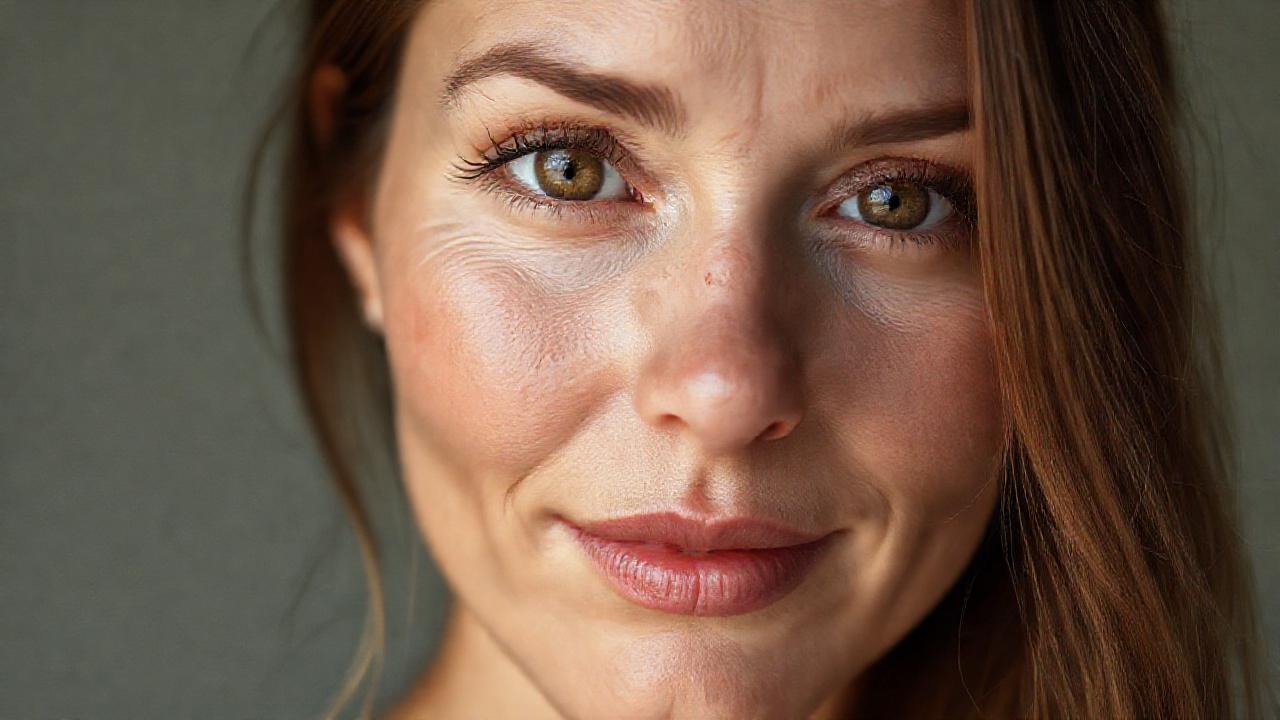
Quick Comparison: Rosacea causes persistent redness, visible vessels, and bumps; seborrheic dermatitis causes greasy scales and itching. Rosacea avoids the scalp; seborrheic dermatitis is common there. Treatment differs: rosacea uses antibiotics and laser; seborrheic dermatitis uses antifungals and steroids. If you suspect either condition, consult a dermatologist for an accurate diagnosis.
Diagnosis and When to See a Dermatologist
Diagnosing these conditions is primarily clinical, based on history and physical examination. A dermatologist will evaluate the distribution, morphology, and symptoms of the lesions. They may also use a dermatoscope to visualize blood vessels and scales. In ambiguous cases, a skin biopsy can help rule out other conditions like lupus, psoriasis, or contact dermatitis.
You should see a dermatologist if you experience persistent facial redness, flaking, or breakouts that do not respond to over-the-counter treatments. Early diagnosis is important to prevent complications such as rhinophyma (in rosacea) or secondary infections (in seborrheic dermatitis). Additionally, both conditions can significantly impact quality of life, causing embarrassment and discomfort, so professional management is key.
Warning: Do not use strong corticosteroids on the face for prolonged periods without medical supervision. Overuse can lead to skin thinning, rebound redness, and worsening of rosacea. Similarly, avoid harsh scrubs or alcohol-based products that can irritate both conditions.
Treatment Approaches: Rosacea vs Seborrheic Dermatitis
Treatment for these conditions differs significantly, which underscores the importance of accurate diagnosis. Using the wrong treatment can exacerbate symptoms.
For rosacea: The mainstay is avoidance of triggers. Sun protection is critical – use a broad-spectrum SPF 30+ sunscreen daily. Topical medications include metronidazole, azelaic acid, ivermectin, and brimonidine (to reduce redness). Oral antibiotics like doxycycline are used for moderate to severe papulopustular rosacea. Laser and light therapies (e.g., IPL, pulsed dye laser) can treat visible blood vessels and redness. In phymatous cases, surgical or laser reduction may be needed.
For seborrheic dermatitis: Antifungal agents are first-line to reduce Malassezia yeast. Over-the-counter shampoos with ketoconazole, selenium sulfide, or zinc pyrithione are used for scalp. For the face, low-potency topical corticosteroids (e.g., hydrocortisone) are used short-term to reduce inflammation. Calcineurin inhibitors like pimecrolimus or tacrolimus are effective and safer for long-term use. Regular cleansing with gentle, non-comedogenic products helps manage oiliness.
Both conditions require a tailored skincare routine. For rosacea, choose products labeled “rosacea-friendly” or “for sensitive skin” – avoid fragrances, alcohol, and exfoliants. For seborrheic dermatitis, using a gentle cleanser and moisturizer can help maintain the skin barrier. In both cases, keeping a trigger diary can help identify and avoid flare-ups.
Living and Coping with Rosacea or Seborrheic Dermatitis
Living with chronic skin conditions can be challenging, but many people manage effectively with the right strategies. Whether you have rosacea or seborrheic dermatitis, lifestyle modifications can make a significant difference. For rosacea, protecting your face from sun and extreme temperatures is vital. Use a gentle cleanser, avoid hot water, and apply a moisturizer with ceramides. For seborrheic dermatitis, regular washing of the scalp and face with medicated products, and avoiding heavy oils or greasy cosmetics, can reduce flaking.
Diet may play a role. Some people with rosacea find that spicy foods, alcohol, and hot beverages trigger flushing. A low-glycemic, anti-inflammatory diet may help. For seborrheic dermatitis, no specific diet is proven, but some patients benefit from reducing sugar and processed foods. Stress management is crucial for both – practices like meditation, yoga, and adequate sleep can reduce flare-ups.
If you feel self-conscious about your skin, consider using green-tinted makeup to camouflage redness (for rosacea) or powders to reduce shine (for seborrheic dermatitis). Support groups and online communities can provide encouragement and practical tips. Remember, these conditions are manageable with professional guidance.
Conclusion
Understanding the differences between rosacea vs seborrheic dermatitis is essential for effective treatment. While both cause facial redness and inflammation, they have distinct characteristics: rosacea features persistent redness, visible vessels, and papules/pustules, while seborrheic dermatitis presents with greasy scales and itching, mainly on the scalp and oily areas. Correct diagnosis leads to appropriate therapy – rosacea requires trigger avoidance, topical antibiotics, and laser, whereas seborrheic dermatitis responds to antifungals and steroids. [1]
If you are unsure which condition you have, consult a dermatologist. They can provide a proper evaluation and create a personalized treatment plan. With the right approach, both rosacea and seborrheic dermatitis can be controlled, allowing you to enjoy healthy, comfortable skin. Remember to be patient – managing chronic skin conditions often requires time and consistency. By educating yourself on these conditions, you take the first step toward better skin health.
References
- PMID: 22670617 (BACKGROUND) : “Dandruff/seborrhoeic dermatitis is a common scalp condition that is characterized by flakes, pruritus and sometimes mild…”