Sun-Damaged Skin Conditions Overview
The sun is essential for life, but its ultraviolet (UV) rays are a leading cause of skin damage. Over time, exposure can lead to a range of photo-induced skin issues, from cosmetic concerns like premature aging to precancerous lesions. Understanding these conditions is the first step toward prevention and effective treatment. In this article, we explore three common sun-induced skin conditions: solar elastosis, actinic keratosis, and sunburn. Each represents a different level of damage, but all are preventable with proper sun protection. [1]
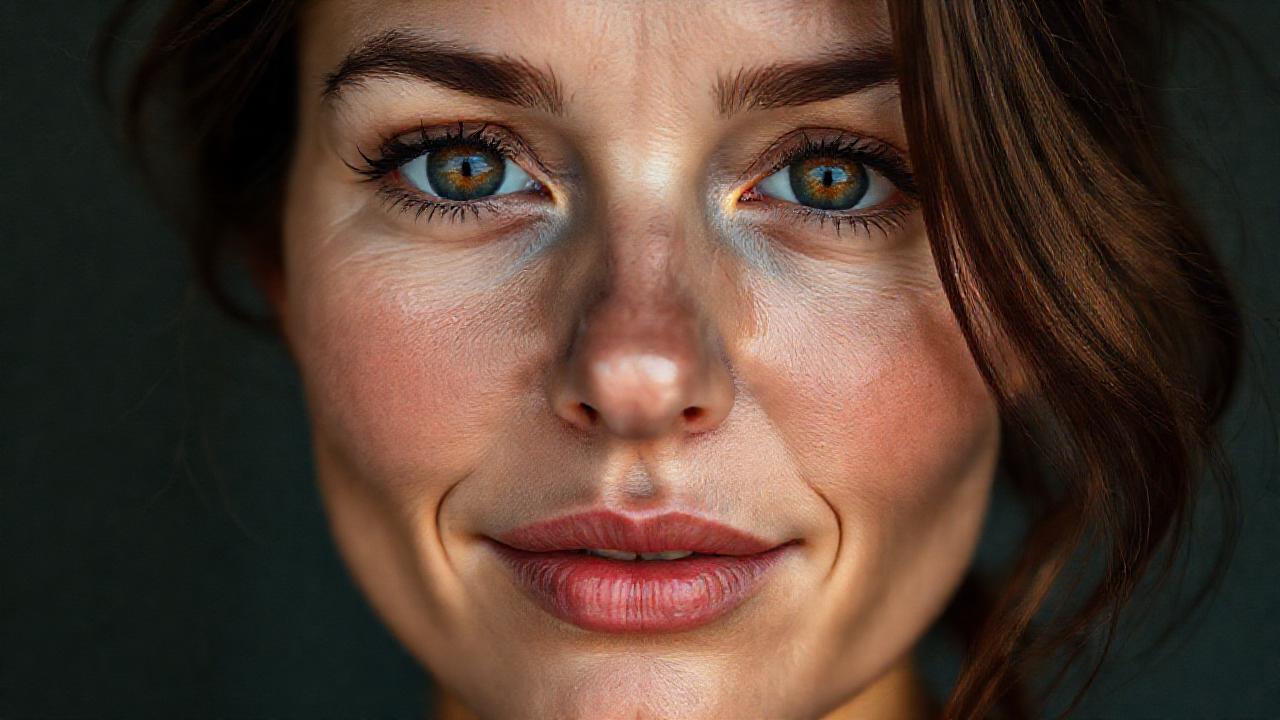
Solar Elastosis: The Visible Sign of Chronic Sun Damage
Solar elastosis is a degenerative condition of the skin caused by long-term UV exposure. It occurs when UV rays damage the elastic fibers in the dermis, causing them to thicken, clump, and lose functionality. This leads to a yellowish, thickened, and wrinkled appearance, often described as "leathery" skin. Common areas affected include the face, neck, and arms—those most exposed to the sun. Solar elastosis is one of the actinic skin conditions that indicates cumulative damage, and it can be a precursor to more serious issues.
Actinic Keratosis: A Precancerous Alert
Actinic keratosis (AK) is a rough, scaly patch on the skin that develops from years of sun exposure. It is considered the earliest stage of skin cancer (squamous cell carcinoma). AKs are common in fair-skinned individuals and often appear on sun-exposed areas like the scalp, face, ears, and hands. They are among the most frequent sun-induced skin conditions. While not all AKs become cancerous, they should be evaluated by a dermatologist. Treatments include cryotherapy, topical medications, and photodynamic therapy.
Did you know? Actinic keratosis affects over 58 million Americans. Early detection and treatment can prevent progression to skin cancer.
Sunburn: Acute UV Damage
Sunburn is an acute inflammatory reaction of the skin to overexposure to UV radiation, particularly UVB. It causes redness, pain, swelling, and sometimes blistering. Severe sunburns, especially during childhood, increase the risk of melanoma later in life. Sunburn is one of the most preventable photo-related conditions. Protection includes using broad-spectrum sunscreen, wearing protective clothing, and avoiding peak sun hours.
How to Protect Yourself from Sun-Damaged Skin
- Apply broad-spectrum sunscreen with SPF 30+ daily, even on cloudy days.
- Seek shade between 10 a.m. and 4 p.m. when UV rays are strongest.
- Wear protective clothing, hats, and sunglasses.
- Avoid tanning beds and sunlamps.
- Perform regular skin self-exams and see a dermatologist yearly.
Warning: If you notice any new, changing, or unusual spots on your skin, especially if they are scaly, bleeding, or rapidly growing, consult a dermatologist immediately. These could be signs of photo-damaged skin conditions that require medical attention.
Treatment Options for Sun-Damaged Skin
Treatment varies by condition. For solar elastosis, retinoids, chemical peels, and laser resurfacing can improve texture. Actinic keratosis may be removed via cryosurgery, curettage, or topical creams like 5-fluorouracil. Sunburn is treated with cool compresses, moisturizers, and over-the-counter pain relievers. Always consult a healthcare professional for sun-induced skin conditions to determine the best approach.
In conclusion, the sun can cause significant damage over time, leading to various sun-damaged skin issues. By understanding the signs and taking preventive measures, you can protect your skin from these UV-linked conditions. Early detection and treatment are key to maintaining healthy skin.
References
- PMID: 19874317 (BACKGROUND) : “Premature ageing of the skin (photoageing) results from the action of ultraviolet radiation (UVR) on skin. One of the hi…”