AI vs Dermatologists: The Future of Skin Diagnosis
AI is reshaping healthcare, and dermatology is no exception. With algorithms now able to classify skin lesions with remarkable accuracy, many wonder: Will AI take over the field of dermatology? This article dives into the question, exploring the capabilities and limitations of AI in skin health, and what the future holds for both patients and professionals. We'll examine the feared scenario of AI stepping into a dermatologist's role and the more likely reality of collaboration. [1]
Questions about AI substituting dermatologists are common in medical forums. To answer that, we need to understand what artificial intelligence can and cannot do. Current AI systems excel at pattern recognition—analyzing thousands of images to identify potential skin cancers, infections, or conditions. However, dermatology is far more than image classification; it involves patient history, physical exams, skin biopsies, and holistic care. This article will address these nuances, offering a balanced perspective on the ongoing evolution of skin diagnosis.
How AI Is Currently Used in Dermatology
AI tools, especially deep learning models, have demonstrated impressive accuracy in identifying common skin cancers like melanoma, basal cell carcinoma, and squamous cell carcinoma. Some studies have shown that AI can match or even exceed dermatologist performance in controlled settings. For example, a 2020 study published in Nature found that a convolutional neural network (CNN) achieved 95% accuracy in classifying skin lesions, compared to 87% for dermatologists. This fuels speculation about the potential for AI to substitute for dermatologists entirely. Yet, these numbers come from carefully curated datasets, not real-world clinical chaos.
Currently, AI is integrated into telemedicine platforms and smartphone apps, allowing patients to capture and analyze moles. Companies like SkinVision and Google Health have deployed algorithms that flag suspicious lesions. However, these systems are designed to assist, not replace, human judgment. The burning question remains: the future of AI in dermatology in everyday practice? Most experts believe that AI will serve as a “second opinion” or a triage tool, not a standalone diagnostician.
The Limitations of AI in Dermatology
Despite promising results, AI has significant limitations. One major issue is the lack of diversity in training data. Many algorithms have been trained predominantly on light skin tones, leading to poorer performance on darker skin. This bias can result in missed or misdiagnosed conditions, raising ethical concerns. Another limitation is that AI cannot account for patient history, symptoms, or other contextual clues. For instance, a rash might look similar to an allergic reaction, an infection, or an autoimmune disease—only a dermatologist can differentiate by asking the right questions.
Furthermore, AI struggles with rare diseases or unusual presentations. Dermatologists draw from years of experience and can recognize subtle variations that an algorithm might miss. The comparison between AI and human dermatologists isn't about who is better in a vacuum; it's about who provides comprehensive care. Dermatologists also perform procedures like biopsies, surgeries, and prescribe treatments—tasks beyond AI's capability. Thus, the fear of AI overtaking dermatology is unfounded for the foreseeable future.
Key Insight: AI excels at pattern recognition in static images but lacks the ability to interpret dynamic signs, palpate skin, or understand patient narrative. The debate about AI replacing dermatologists overlooks the irreplaceable human elements of empathy, intuition, and clinical judgment.
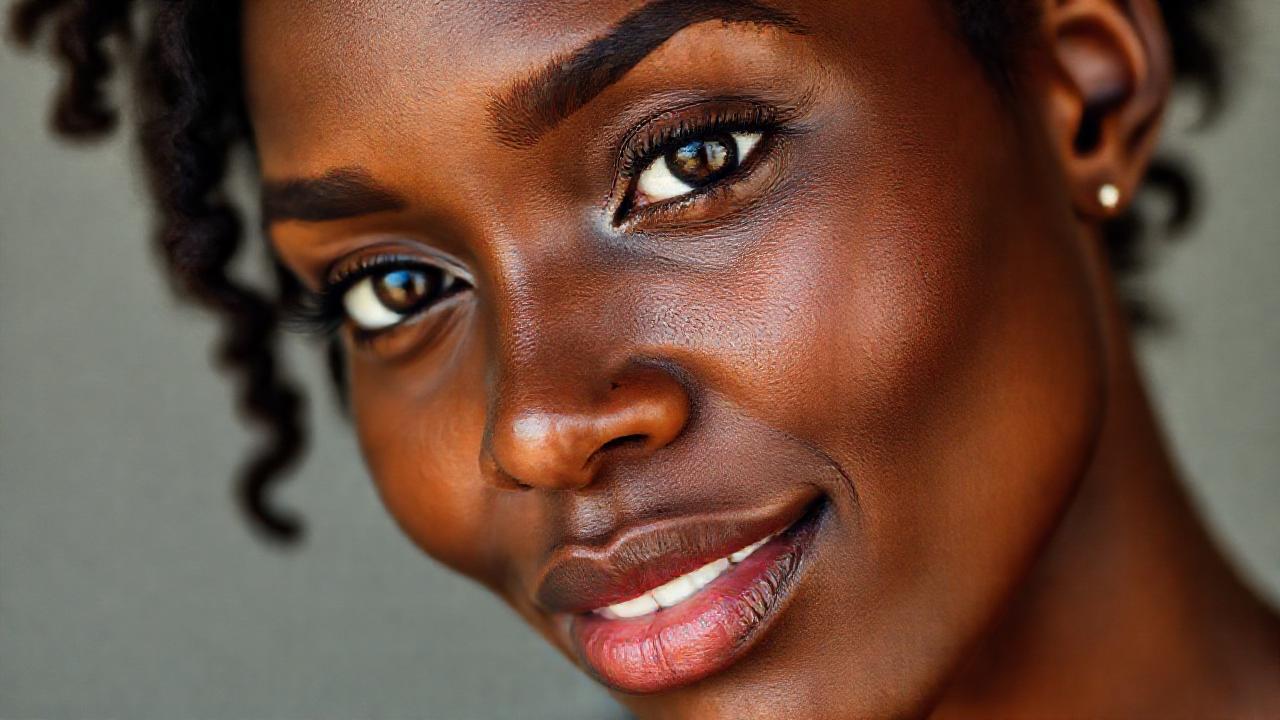
The Human Touch: Why Dermatologists Are Irreplaceable
Dermatology is not just a visual specialty; it's a relationship-based practice. Patients come with fears about cancer, concerns about aging, and emotional distress from skin conditions like acne or psoriasis. A dermatologist provides reassurance, explains risks, and builds trust—something no algorithm can replicate. Moreover, dermatologists perform dermoscopy, which uses a specialized microscope to examine lesions more closely. While AI can analyze dermoscopic images, it cannot perform the examination itself.
Another critical aspect is the ability to synthesize information from multiple sources. A dermatologist considers laboratory results, patient history, and medication use. For example, a drug reaction might mimic a skin infection. Only a human can connect the dots. The question of AI overtaking dermatology often ignores these complex decision-making processes. Additionally, dermatologists manage chronic conditions like eczema and psoriasis through long-term follow-up, adjusting treatments based on patient feedback and response. Such dynamic care is beyond current AI.
Let's also consider legal and ethical aspects. Who is responsible if AI misdiagnoses? Accountability lies with the physician. In a scenario comparing AI and dermatologists, the law requires a licensed practitioner to make final decisions. Hence, AI remains a tool, not a replacement.
The Ideal Future: Collaboration, Not Replacement
Instead of fearing AI's impact on dermatology, we should envision a partnership. AI can handle repetitive tasks like screening thousands of images, flagging suspicious ones for dermatologist review. This increases efficiency and reduces burnout. For example, in teledermatology, AI can pre-sort cases so that high-risk patients get faster appointments. This is already happening in some healthcare systems.
Moreover, AI can enhance diagnostic accuracy by providing second opinions. A dermatologist might miss a rare cancer or a subtle change—AI can highlight it. Conversely, a dermatologist can correct AI's false positives. This synergy improves both speed and quality. The question of artificial intelligence substituting for dermatologists becomes moot when we see them as complementary rather than competitive. In fact, a 2022 survey of dermatologists found that over 70% believe AI will improve their practice, not replace it.
Training datasets are also improving. Efforts like the International Skin Imaging Collaboration (ISIC) are curating diverse datasets to reduce bias. As AI becomes more inclusive, its reliability grows. Yet, even then, it will remain an assistant. The narrative of AI taking over dermatologist roles is a sensational headline, not a realistic forecast. Instead, we will see a new breed of dermatologists proficient in using AI tools to deliver better care.
- Efficiency: AI can triage images, allowing dermatologists to focus on complex cases.
- Accuracy: Combined human-AI diagnosis reduces errors.
- Accessibility: AI-powered apps bring basic screening to underserved areas, but final diagnosis requires a dermatologist.
- Education: AI can help train new dermatologists with case repositories and virtual simulations.
Addressing Common Fears and Misconceptions
Many patients worry that AI will lead to impersonal care. However, AI is often invisible to the patient—it's the dermatologist who uses it behind the scenes. Another fear is job loss. While some administrative roles might be affected, the demand for dermatologists is rising due to aging populations and increased skin cancer awareness. The concern about AI overtaking dermatology overlooks the nuanced skill set required. In fact, a 2024 report by the American Academy of Dermatology predicts a shortage of dermatologists, making AI a welcome aid to extend reach.
There's also the misconception that AI makes decisions independently. In reality, most algorithms provide confidence scores, and the dermatologist decides whether to biopsy or treat. The argument that AI can replace dermatologists simplifies a complex diagnostic process. For instance, AI might classify a mole as “high risk,” but the dermatologist must consider the patient's age, family history, and whether the mole has changed over time—data AI doesn't have. The final judgment rests with the human.
Nevertheless, AI is evolving. Future algorithms may incorporate natural language processing to read medical records or even analyze other modalities like confocal microscopy. But even then, the role of the dermatologist will shift rather than disappear. They will become managers of AI systems, interpreters of complex data, and advocates for patient well-being. The phrase pitting AI against dermatologists is a false dichotomy; the real competition is between dermatologists who adopt AI and those who don't.
Warning: Over-reliance on AI without proper validation can lead to missed diagnoses. Always consult a board-certified dermatologist for any skin concerns. The debate about AI substituting for dermatologists should not discourage you from seeking professional care.
Conclusion: AI Is a Partner, Not a Replacement
In summary, the question “Will AI replace dermatologists?” can be answered with a resounding “no” for the foreseeable future. While AI is a powerful tool for image analysis, it lacks the empathy, experience, and comprehensive care that dermatologists provide. The best outcomes come from collaboration, where AI enhances efficiency and accuracy, and dermatologists apply clinical wisdom. So, the next time you see a headline about AI stepping into a dermatologist's role, remember that it's more about augmentation than replacement. The future of skin diagnosis is bright, with AI and dermatologists working together to deliver better, safer, and more accessible care for all.
Ultimately, the question of AI overtaking dermatology is the wrong question. The right one is: How can AI help dermatologists improve patient outcomes? The answer lies in embracing technology while preserving the human touch. As we move forward, continuous training and ethical deployment of AI will ensure that it remains a valuable assistant, not a replacement. For patients, this means more precise diagnostics, earlier detection, and personalized treatment plans—guided by a caring professional who knows that your skin story is more than just an image.
References
- PMID: 27320969 (BACKGROUND) : “Current approach and ideas of dermatologists about undergoing MICPs themselves are unknown.”